Columbus, OH: Hard Water & Water Heater Wear
See how hard water in Franklin County accelerates water heater wear. Get clear answers on protecting your tank from Columbus mineral buildup before winter.
Written by
The DrainMaster team
Family-owned Columbus plumbing, drain and sewer company, founded in 1999. Ohio License #35036.
Meet the team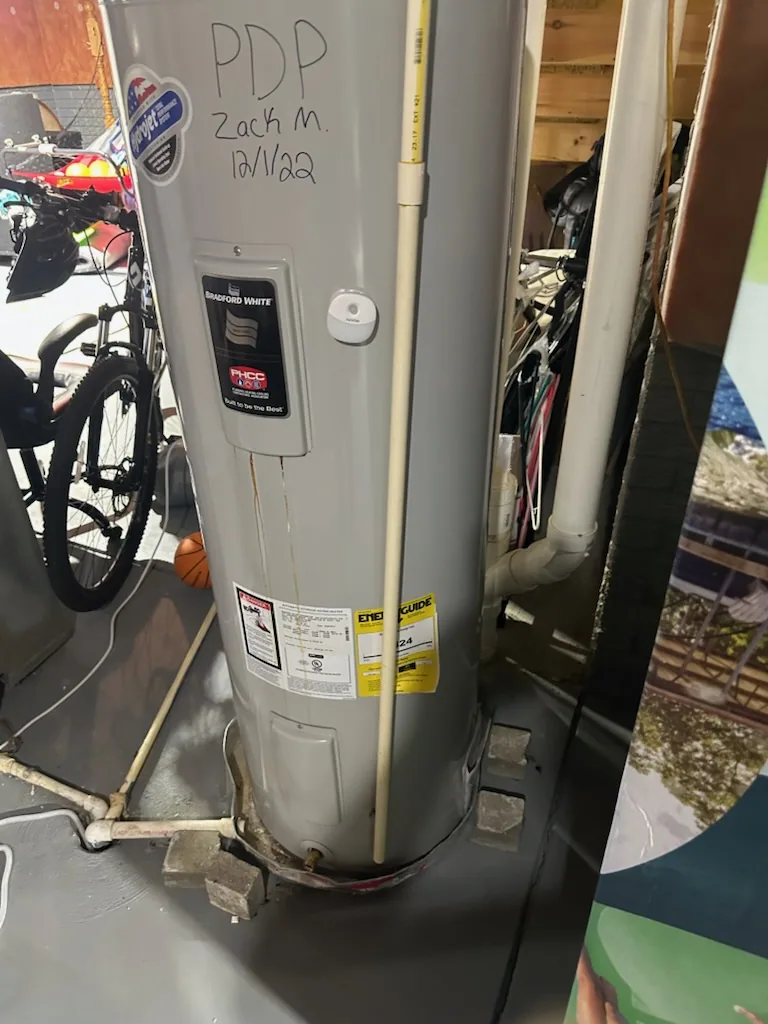
Why Franklin County's Water Chemistry Threatens Your Plumbing This November
Your water heater is running constantly, yet the morning shower turns lukewarm faster than it used to. Understanding exactly how hard water in Franklin County accelerates water heater wear is critical as November arrives and household hot water demand surges. On the outside, your tank might look perfectly fine, but inside, an unseen chemical reaction is quietly compromising the system. The root cause of many premature local plumbing failures we see at DrainMaster does not stem from defective equipment, but rather from the exact mineral composition of the municipal water supply.
As we head into the colder months, homeowners face a clear decision point: take preventative professional action now, or risk a complete mid-winter breakdown when you rely on hot water the most. If you are exploring options to protect your home and looking into trusted plumbing and water heater brands, addressing your local water chemistry is the foundational first step. A proactive approach during the pre-winter season ensures your system operates efficiently and safely before the heavy usage period begins.
Understanding the Limestone-Rich Groundwater in Columbus
The geological reality: Columbus and Franklin County municipal service areas source their water from environments that naturally create moderately hard to hard water conditions. The regional water supply relies heavily on local rivers, reservoirs, and groundwater aquifers that sit atop dense limestone bedrock. As rainwater filters down through this earth, it naturally dissolves high concentrations of calcium and magnesium.
When you read a municipal water quality report and see the term "hard water," it is specifically referring to the density of these dissolved minerals. While these minerals are completely safe for human consumption, they are incredibly hostile to residential plumbing infrastructure. The problem begins when this mineral-heavy water enters your home and is subjected to rapid temperature changes. Heating water causes a scientific reaction where dissolved calcium and magnesium precipitate—meaning they separate from the liquid and form solid, rock-like deposits known as scale.
The Journey from Source to Tap
The local water treatment process is highly effective at ensuring public safety, but it is not designed to soften water. Here is a breakdown of what happens before the water reaches your tank:
- Sourcing: Water is drawn from the Scioto River, Hoover Reservoir, and local groundwater wells, all rich in natural limestone runoff.
- Municipal Filtration: City treatment plants filter out debris, bacteria, and harmful contaminants to meet strict safety standards.
- Mineral Retention: The dissolved calcium and magnesium remain in the water because municipal facilities do not perform whole-scale water softening.
- Home Delivery: The hard water enters your home's plumbing system, where the minerals remain suspended until they hit a heat source.
Because municipal filtration does not remove these dissolved hardness minerals, the burden of managing them falls entirely on your home's internal plumbing. In our experience servicing local neighborhoods, this constant influx of mineral density is one of the main plumbing issues prevalent in old Columbus homes, where decades of hard water exposure compound the wear and tear on pipes and fixtures.
How Dropping Pre-Winter Temperatures Force Your Water Heater to Overwork
The seasonal trigger: The specific interaction between dropping November incoming water temperatures and the increased workload on residential water heaters is a primary catalyst for system failure. Our technicians often notice that as ambient air and ground temperatures plummet in late fall, the municipal water traveling through underground pipes becomes significantly colder by the time it reaches your home.
The mechanical strain: During the summer, incoming water might enter your tank at a mild 60 degrees. In November, that same incoming water can drop into the 40s. Because the starting temperature is much lower, your water heater's heating elements or gas burners are forced to run significantly longer and more frequently to raise the water to your thermostat's set temperature (typically 120 degrees).
The direct correlation: This extended heating cycle directly accelerates mineral precipitation. The longer the heating element stays scorching hot, the faster and heavier the calcium bakes onto the bottom of the tank and the heating components themselves.
| Seasonal Condition | Incoming Water Temperature | Heating Cycle Duration | Rate of Mineral Scaling |
|---|---|---|---|
| Summer / Early Fall | Mild (60°F+) | Standard / Short | Moderate accumulation |
| November / Pre-Winter | Cold (40°F - 50°F) | Extended / Continuous | Accelerated precipitation |
| Peak Winter | Near Freezing (35°F - 40°F) | Maximum Workload | Severe scale baking |
The Heating Cycle and Mineral Precipitation
The thermodynamics of heating hard water create a vicious cycle of inefficiency. As calcium carbonate precipitates out of the water, it settles at the bottom of the tank. Over time, this sediment hardens into a thick, insulating layer of limestone scale between the heat source and the water. The heat must now penetrate a layer of solid rock before it can even reach the water. This physical barrier drastically reduces energy efficiency, forces the system to run even longer, and bakes even more minerals out of the water in a compounding loop of degradation.

Telltale Signs Your Tank is Suffering from Heavy Scaling
Identifying the symptoms of hard water damage early can save you from a catastrophic tank rupture. In the Franklin County and Columbus municipal service areas, our plumbers urge homeowners to watch for these distinct warning signs that heavy scaling has taken hold:
- Distinct popping or rumbling noises: This is the most common symptom of severe scale. As the heating element operates beneath a thick layer of sediment, water gets trapped underneath the rock layer. When that trapped water boils and turns to steam, it violently bursts through the sediment crust, creating a loud popping, crackling, or rumbling sound.
- Diminished hot water capacity: If your tank used to provide enough hot water for three consecutive showers but now struggles to provide enough for one, sediment is likely to blame. A thick layer of calcium physically displaces the water volume in the tank. A 50-gallon tank with 10 gallons of solid sediment is now only a 40-gallon tank.
- Decreased energy efficiency: Because the heating element must burn longer and hotter to penetrate the scale barrier, your system consumes significantly more gas or electricity. If your utility bills are spiking but your usage habits haven't changed, an overworked, scaled-up water heater is a primary suspect.
- Cloudy or sandy hot water: When you turn on the hot water tap and notice a cloudy appearance or gritty texture, it usually means the sediment layer inside the tank has grown so high that it is being drawn into the hot water supply lines.
The Risks of Attempting to Flush Heavy Scale Yourself
The danger of DIY: While routine preventative flushing is conceptually simple on a brand-new unit, attempting to drain and flush a heavily scaled older unit yourself presents severe risks. When a water heater has been subjected to years of hard water without regular professional maintenance, the sheer volume of sediment inside the tank becomes a physical hazard.
We strongly advise against DIY maintenance on neglected tanks. Our emergency dispatch team frequently receives calls where a homeowner opened the drain valve on a heavily scaled unit, and large chunks of calcium broke off to become lodged in the narrow valve opening. Because most standard drain valves are made of plastic, trying to force a jammed valve closed often results in the valve snapping off entirely. If the valve fails to close properly, you are left with an unstoppable flow of scalding hot water flooding your basement or utility closet.
Why Older Homes Require Specialized Care
The compounding effect of years of hard water exposure means that older plumbing systems require licensed professionals to handle maintenance safely. Standard garden hoses and gravity drains simply fail against heavy, calcified deposits. Professional technicians like ours at DrainMaster use specialized descaling solutions, heavy-duty transfer pumps, and commercial-grade tools to safely break down and remove sediment without compromising the integrity of the tank or the safety of your home. Attempting this level of maintenance without professional expertise frequently turns a routine service need into a severe water damage emergency.
Investing in Scale-Resistant Water Heating Technology
The long-term solution: For homeowners whose current units are already beyond repair due to extensive mineral damage, upgrading to modern equipment is the most reliable path forward. Today's advanced water heaters are better equipped to handle hard water environments through specialized engineering features. Many high-quality units now feature turbulent dip tubes that continuously agitate the water at the bottom of the tank, keeping minerals suspended so they can be flushed out during normal use rather than settling and hardening. (Keep in mind that upgrading to high-efficiency models may also qualify you for generic federal tax credits or utility rebates, which we always recommend verifying with your local provider or tax professional).
When navigating the specific municipal water conditions of Franklin County, DrainMaster's deep local expertise ensures that your replacement unit is properly matched to the environment. Our authorized experience installing brands built to withstand heavy mineral scaling means you get a system engineered for longevity in this specific region.
Trusted Brands for Tough Water Conditions
When selecting a replacement, it is vital to choose manufacturers recognized as industry leaders in durability. Based on our extensive track record of reliable installations across Columbus, we frequently recommend Bradford White water heaters for their proprietary Hydrojet Total Performance System, which is specifically designed to reduce sediment buildup and maintain thermal efficiency. Similarly, Rheem water heaters offer robust self-cleaning mechanisms and highly durable heating elements that perform exceptionally well in challenging municipal water environments.
For the ultimate defense against local water chemistry, pairing a high-quality, scale-resistant replacement unit with a whole-home water softening system provides comprehensive protection. By removing the calcium and magnesium before it ever reaches your appliances, you preserve the efficiency, capacity, and lifespan of your entire plumbing infrastructure.
When your plumbing is a disaster, call the Master
Clogged, Backed Up, or Flooding? Call the Master.
From a stubborn kitchen drain to a collapsed sewer line, the DrainMaster crew has Greater Columbus covered. Phones are answered after hours, and we schedule a licensed local plumber as soon as one is available.
- We explain what we find in plain English
- You approve the price before any work starts
- Licensed & insured Ohio plumbers