Water Heater Making Popping Noises: Is It Failing?
Asking, 'Is my water heater making popping noises because it is failing?' See what causes this scary sound and when to schedule a professional assessment.
Written by
The DrainMaster team
Family-owned Columbus plumbing, drain and sewer company, founded in 1999. Ohio License #35036.
Meet the team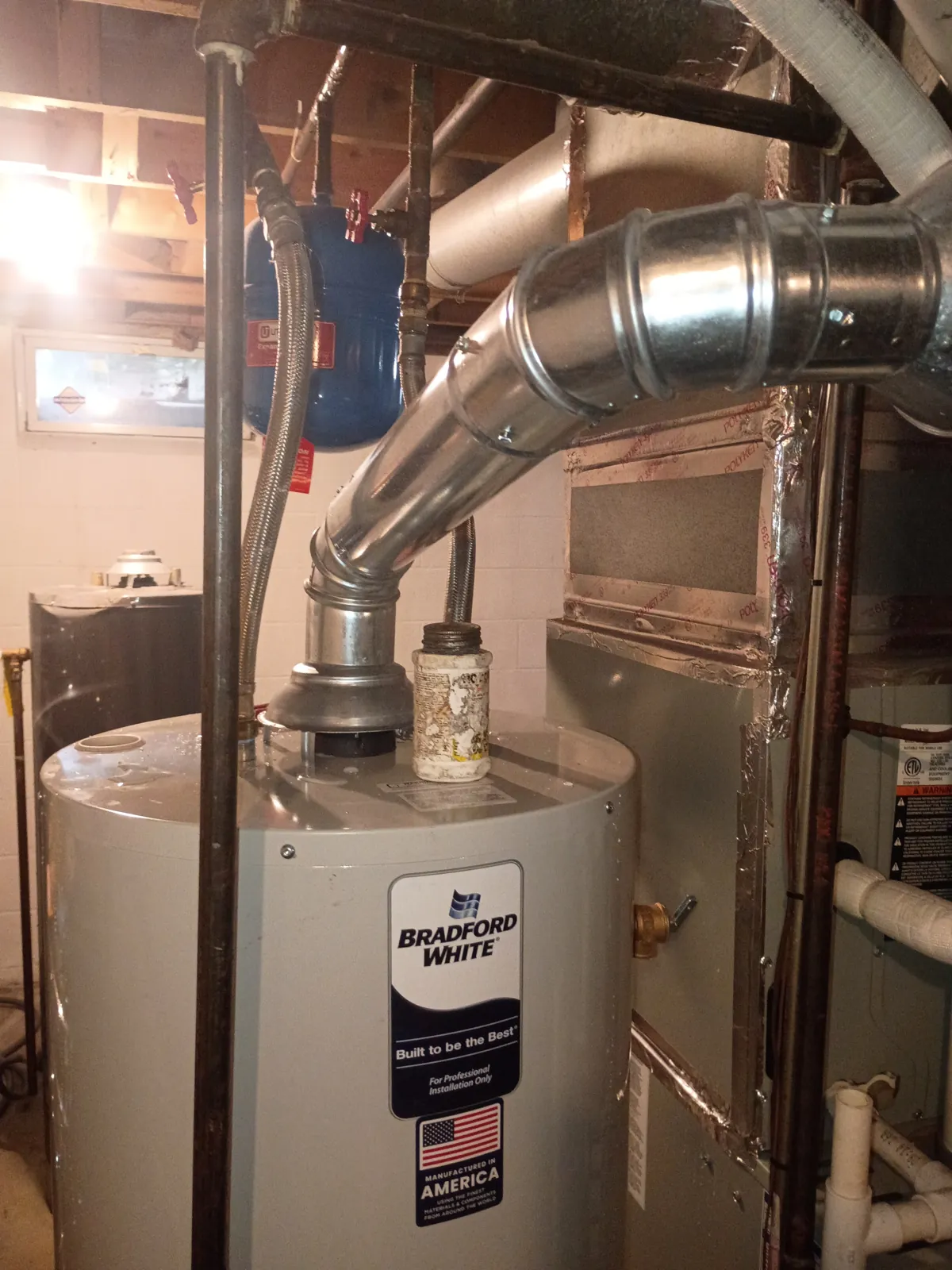
Hearing Strange Noises? Why Your Water Heater Sounds Like It's Boiling
Are you standing in your basement on a chilly November evening wondering, "Is my water heater making popping noises because it is failing?" You are certainly not alone. At DrainMaster, our team receives frantic calls every fall from Columbus homeowners asking this exact question. When the house is quiet and you suddenly hear a deep rumbling, popping, or percolating sound echoing from your utility room, it is easy to assume the worst. To many homeowners, it sounds exactly like a giant coffee pot boiling over, or even worse, a tank that is under immense pressure and ready to burst.
The good news is that you can take a deep breath. In our experience servicing local plumbing systems, these unsettling noises rarely mean your tank is about to explode or that an emergency replacement is your only option before the deep winter freeze sets in. While the sounds are certainly alarming, they are actually a very common symptom of a specific maintenance issue rather than an immediate structural failure.
Whether you have a gas unit or an electric model, this phenomenon happens across almost all water heater brands on the market today. The key is understanding exactly what is happening inside that metal cylinder so you can make an informed decision about your next steps. Catching this early often means the difference between a routine professional service call and a major plumbing emergency down the road.
The Science Behind the Sound: What Causes Water Heater Popping?
To demystify the scary noises coming from your basement, we have to look at the physics of how your water heater actually works. The popping and rumbling sounds are not the metal tank cracking or the burner malfunctioning. Instead, you are hearing the violent escape of steam bubbles from the very bottom of the tank.
Over time, the water entering your home brings tiny, dissolved minerals with it. When that water is heated, those minerals change state and separate from the water, slowly drifting down to the base of the tank. This creates a dense, sandy layer of debris right where the heating action happens.
The Sediment Layer Effect
Mineral separation: Cold ground water naturally holds dissolved minerals in suspension. However, as the water temperature rises inside your tank, the heat causes a chemical reaction that forces calcium and magnesium to precipitate out of the water.
Settling at the base: Because these mineral particles are heavier than the water itself, gravity pulls them down to the bottom of the tank. In a gas water heater, this is exactly where the burner plate sits. In an electric unit, the sediment often buries the lower heating element. Over months and years, this loose mineral dust hardens into a thick, crusty layer of sediment.
The Percolating Steam Bubble Phenomenon
Trapped moisture: As the sediment layer grows thicker, water gets trapped underneath it, right against the hottest part of the tank.
Superheating: When your thermostat calls for heat, the burner fires up. The water trapped under the heavy sediment layer heats up much faster than the rest of the tank. Because it is trapped, it superheats and turns into steam.
The popping release: Steam expands rapidly. When the pressure builds high enough, the steam forces its way up through the heavy, crusty sediment layer. The popping, crackling, and rumbling noises you hear are those pressurized steam bubbles violently bursting through the mineral crust and traveling up through the cooler water above. Even premium units like Bradford White water heaters will experience this percolating effect if sediment is allowed to accumulate unchecked.

How Columbus OH Hard Water Accelerates Sediment Buildup
If you live in the local area, our plumbers at DrainMaster can tell you firsthand that you are highly likely to encounter this specific popping issue due to our regional water conditions. Columbus, OH water is officially classified as moderately hard to hard. This means the municipal water supply carries a significant concentration of dissolved calcium and magnesium.
The hard water impact: Because our local water contains higher levels of these minerals, Columbus water heaters accumulate sediment at a much faster rate than units located in soft-water regions of the country. What might take five years to build up in another state can easily accumulate in just a year or two right here in our neighborhoods.
Calcium carbonate buildup: The primary culprit in our local water is calcium carbonate. When heated, it forms a tough, scale-like crust that clings to heating elements and coats the bottom of the tank. This accelerated buildup means that water heaters in our service area require more frequent, proactive professional attention to remain quiet and efficient.
Predictable local patterns: Because this is such a common regional issue, our professional plumbers in Columbus expect to see sediment-related popping noises on a daily basis. It is a highly predictable consequence of our local water chemistry, which means it is also highly treatable when caught before the sediment completely calcifies into a solid block.
Is My Water Heater Making Popping Noises Because It Is Failing?
No, a popping noise does not necessarily mean your water heater is failing. The sound is typically caused by steam bubbles escaping through a layer of mineral sediment at the bottom of the tank. While not an immediate emergency, ignoring this sediment buildup can eventually cause the tank to overheat and fail.
Understanding the difference between a fixable maintenance warning and an actual terminal failure can save you from a panic-induced replacement. Modern units, including durable State water heaters, are engineered to withstand a certain amount of mineral buildup, but they still rely on regular maintenance to reach their full lifespan.
When Popping Is Just a Maintenance Warning
If your water heater is making a racket but the floor around it is completely dry and your hot water is still running clear, you are likely just dealing with a maintenance warning. The sediment has reached a level where it is interfering with the heating process, causing the percolating steam bubbles. Early intervention at this stage—specifically a professional flush—can clear out the loose debris, restore the system's efficiency, and prevent long-term damage to the tank's inner lining.
Actual Signs of Imminent Tank Failure
While popping noises are generally a sediment issue, our team advises homeowners to be on the lookout for the true indicators that your water heater is actually failing and requires immediate replacement. These signs include:
- Puddles or active leaks: Any water pooling around the base of the tank indicates a breach in the internal steel cylinder.
- Rusty water: If hot water comes out of your taps looking brown or orange (while the cold water remains clear), the inside of your tank is actively rusting away.
- Visible structural corrosion: Heavy rust streaks on the outside of the tank, particularly near the seams or the temperature and pressure relief valve, signal that the structural integrity is compromised.
Why November Weather Makes Water Heater Noises Worse
Many homeowners notice that their water heater suddenly becomes much louder right as the late-fall weather sets in. We see a distinct pattern of these service calls every November at DrainMaster. This is not a coincidence. As temperatures drop significantly in November, the ground grows colder, which directly impacts the municipal water pipes buried beneath the frost line.
Colder incoming water: During the summer, the water entering your home might be relatively mild. But in November, the incoming ground water becomes significantly colder. When this frigid water enters your water heater, it causes a sharp drop in the tank's internal temperature.
Longer heating cycles: To compensate for this sudden influx of cold water, your water heater's thermostat forces the burner or heating elements to run for much longer periods. These extended, frequent heating cycles mean the unit is working much harder than it did a few months ago.
Exacerbating the noise: Because the system is heating for longer durations, the percolating effect under the sediment layer happens more often and with greater intensity. The steam bubbles are larger, and the popping noises become much louder. This seasonal shift highlights the critical importance of addressing the sediment issue now, ensuring your system has the reliable heating capacity needed before peak winter demand truly hits.
Honest Diagnostics: Professional Tank Flush vs. System Replacement
When your water heater sounds like it is breaking down, it is easy to fall victim to predatory upselling tactics. In our years of plumbing service, we've seen some contractors use the scary popping noises to panic homeowners into authorizing unnecessary, immediate system replacements. At DrainMaster, our commitment is to honest diagnostics. We believe in helping homeowners understand if a professional flush will save their current unit, protecting you from scare-tactic replacement pitches.
A professional assessment can determine the true health of your system. If the sediment is still loose and sandy, a thorough flush can usually resolve the noise and restore efficiency to major units like Rheem water heaters and others. However, if the unit has been ignored for a decade and the sediment has calcified into a solid, rock-hard block that has fused with the heating elements, a replacement may be the only safe path forward. If a replacement is ultimately necessary, we always advise checking with your utility provider or a tax professional to see if generic federal tax credits or local utility incentive programs may apply to qualifying high-efficiency installations.
| Diagnostic Factor | Professional Tank Flush | System Replacement |
|---|---|---|
| Sediment Condition | Loose, sandy, and able to flow through a drain valve. | Solid, calcified, and permanently fused to the tank bottom. |
| Tank Integrity | No leaks, no heavy rust, inner lining remains intact. | Active leaks, heavy corrosion, or rusty hot water at the tap. |
| Expected Outcome | Restores efficiency, stops the popping noise, extends lifespan. | Provides a brand new, highly efficient system with a full warranty. |
| Typical Timeline | A quick, same-day maintenance procedure. | A scheduled installation requiring a few hours of downtime. |
The Dangers of DIY Flushing
While it might be tempting to hook up a garden hose and try to drain the sediment yourself, we strictly advise against DIY flushing. When a tank has a heavy sediment load, those large mineral chunks easily get lodged inside the narrow plastic drain valve.
If a chunk of calcium blocks the valve from closing completely, you will be left with a continuous leak that cannot be stopped without professional intervention. This frequently leads to severe basement flooding. Furthermore, dealing with 120-degree water under pressure poses a serious scalding hazard. Professional plumbers have the specialized tools, safety protocols, and expertise to safely drain, flush, and evaluate the interior health of your tank without risking your home or your safety.
Frequently Asked Questions About Noisy Water Heaters
When your plumbing starts making strange sounds, it is natural to have a lot of questions. Before you assume the worst, reviewing these common concerns can help you understand what is happening in your basement. Learning how to properly interpret these symptoms is just as important as avoiding common plumbing repair mistakes that can make the situation worse.
Can a popping water heater explode?
No, a popping water heater is highly unlikely to explode. Modern water heaters are equipped with a Temperature and Pressure Relief (T&P) valve specifically designed to release excess pressure before it reaches dangerous levels. The popping sound is just steam escaping from the sediment layer, not the tank itself buckling under pressure. However, ignoring the issue forces the tank to overheat, which can eventually cause it to crack and leak.
How do I fix a popping water heater?
The most effective fix for a popping water heater is a professional tank flush to remove the accumulated mineral sediment. A licensed plumber will safely drain the tank, agitate the buildup, and flush the debris out through the drain valve. Because heavy sediment can permanently jam a standard drain valve open, this is a procedure that should always be handled by a professional rather than attempted as a weekend DIY project.
Is it dangerous if my water heater is making noise?
While the noise itself is not immediately dangerous, it is a clear warning sign that your system is operating under severe stress. The trapped steam forces the bottom of the tank to run much hotter than it was designed to, which degrades the metal over time. If left unaddressed, this chronic overheating will eventually compromise the tank's structural integrity, leading to a sudden and messy leak in your utility room.
How long will a water heater last after it starts popping?
A water heater can continue to function for months or even years after it starts popping, but its remaining lifespan depends entirely on how quickly you address the sediment. If you schedule a professional flush promptly, you can often restore the unit to normal operation and enjoy its full expected lifespan. If you ignore the noise, the sediment will calcify, drastically reducing the unit's efficiency and likely cutting its lifespan short by several years.
What does a failing water heater actually sound like?
A truly failing water heater usually produces sounds related to water escaping rather than steam bubbling. You might hear a continuous hissing sound, which indicates water is leaking and dropping onto the hot burner plate. You may also hear a high-pitched screeching or whining sound, which points to a failing pressure relief valve or restricted water flow. Popping and rumbling are almost exclusively tied to sediment, not immediate structural failure.
Does hard water affect all water heater brands equally?
Yes, the chemistry of hard water impacts all water heater brands and models, whether they are gas, electric, or even tankless systems. The dissolved calcium and magnesium will precipitate out of the water whenever it is heated, regardless of the logo on the side of the tank. While higher-end units might have slightly better self-cleaning features, no traditional tank is entirely immune to the effects of hard water buildup without regular professional maintenance.
Secure Your Pre-Winter Peace of Mind
Hearing your water heater pop and rumble on a cold November evening is certainly unsettling, but it is rarely a reason to panic. Those loud noises are simply a clear cry for routine maintenance, not necessarily a death sentence for your plumbing system. By understanding that trapped steam and local hard water sediment are the true culprits, you can confidently take the right next steps.
As the temperatures continue to drop, your water heater is only going to work harder. Do not wait for the deep winter freeze to set in before addressing the issue. Schedule a professional diagnostic visit with DrainMaster today to evaluate your tank's condition. A safe, effective professional flush will clear out the damaging sediment, silence the popping, and ensure you have reliable, efficient hot water all season long.
When your plumbing is a disaster, call the Master
Clogged, Backed Up, or Flooding? Call the Master.
From a stubborn kitchen drain to a collapsed sewer line, the DrainMaster crew has Greater Columbus covered. Phones are answered after hours, and we schedule a licensed local plumber as soon as one is available.
- We explain what we find in plain English
- You approve the price before any work starts
- Licensed & insured Ohio plumbers