
Local Sink Clog or Systemic Drainage Failure?
See How We Differentiate Between a Local Sink Clog and a Systemic Drainage Failure. Decide with confidence when to call a pro before winter.
Written by
The DrainMaster team
Family-owned Columbus plumbing, drain and sewer company, founded in 1999. Ohio License #35036.
Meet the team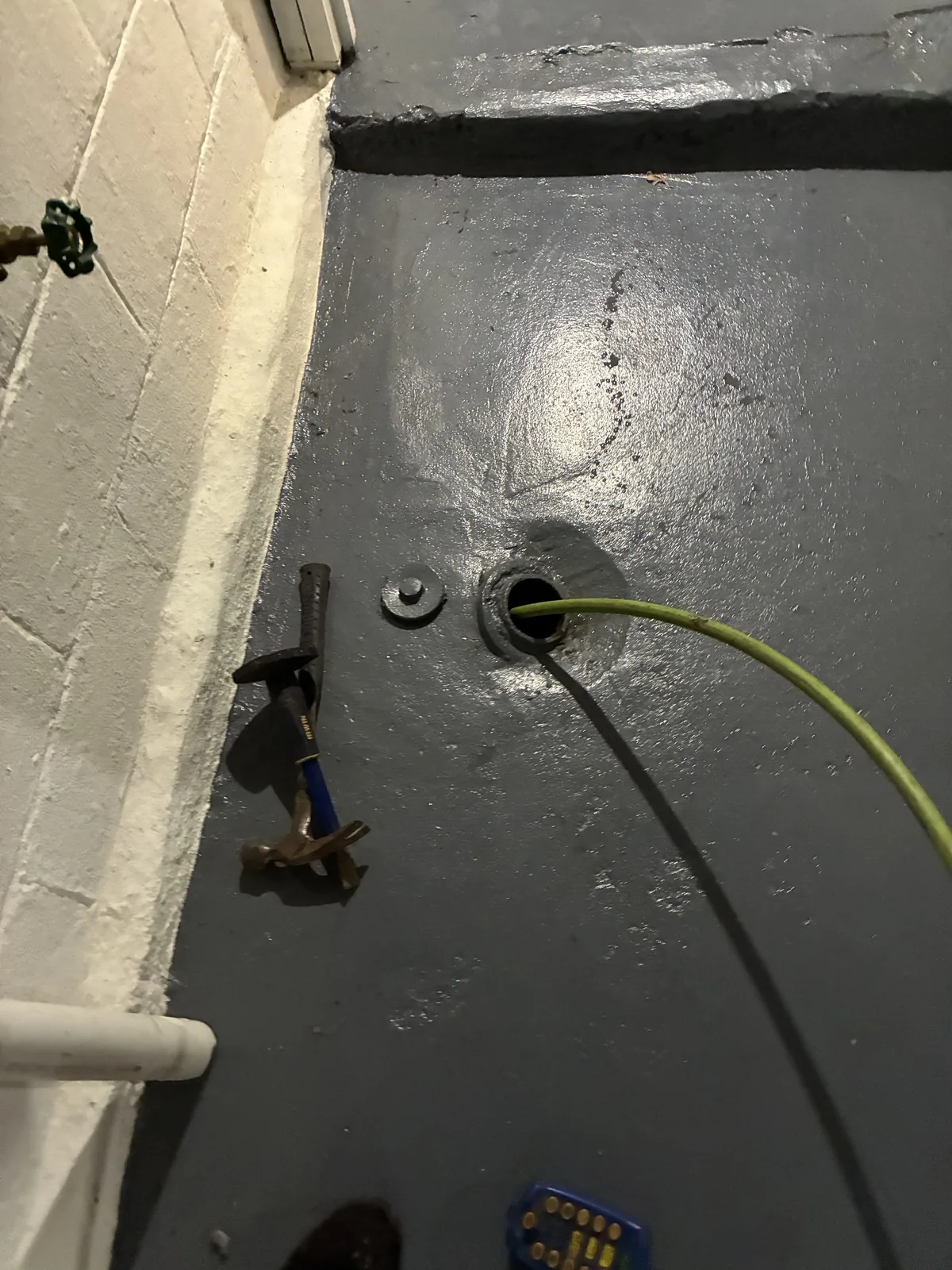
The Holiday Plumbing Nightmare: Is It Just the Sink or Something Worse?
At DrainMaster, we've seen firsthand how stressful it is when your kitchen sink is backing up, dirty water is pooling around the drain, and the timing could not be worse. Understanding how we differentiate between a local sink clog and a systemic drainage failure is the most important step you can take before reaching for a plunger. During intense periods of November holiday-season home prep, your household plumbing works overtime. The immediate reaction to a slow drain is usually panic, followed by aggressive plunging or pouring harsh chemical cleaners down the sink. However, taking those blind actions without understanding the scope of the problem can actually cause severe damage to your pipes.
There is a massive difference between a minor, isolated blockage under one sink and a major failure deep within your main sewer line. Plunging a local clog might temporarily push a soft blockage through the pipe. Plunging a sink when the main sewer line is blocked, on the other hand, simply forces wastewater backward into other fixtures, potentially causing raw sewage to overflow onto your bathroom floors. Knowing exactly what you are dealing with protects your property. Professional on-site diagnostics are the only way to accurately assess the health of your drain and sewer systems and ensure you apply the correct solution to the right problem.
Identifying a Localized P-Trap Clog
The localized problem: When you wash dishes or drain pasta water, the water simply sits in the basin or drains at an agonizingly slow pace. This is the classic presentation of an isolated drain issue. A localized clog means the blockage is confined entirely to the plumbing immediately connected to that specific fixture, usually within the first few feet of piping.
The underlying cause: Most single-fixture blockages form right in the P-trap. The P-trap is the curved, U-shaped section of pipe directly beneath your sink. Its primary job is to hold a small amount of water at all times, creating a liquid barrier that prevents dangerous sewer gases from rising back up into your home. Because of its curved shape, it is also the easiest place for debris to settle. In our years of servicing Columbus homes, the DrainMaster team frequently sees these traps become choked with congealed cooking grease, coffee grounds, and fibrous vegetable peels. If you are unsure what is safe to put down the drain, reviewing a list of food items you shouldn't dispose of in your kitchen drains can help prevent these specific local blockages.
The diagnostic signs of a local clog:
- Isolated symptoms: Only one specific sink or basin is failing to drain.
- Normal function elsewhere: The toilets flush perfectly, and the bathtub drains without hesitation.
- Silence in the pipes: You do not hear any strange bubbling or gurgling noises coming from other drains when you run the affected sink.
- Visible debris: You can sometimes see the physical blockage right at the drain cover or basket strainer.
The solution path: When all evidence points to a localized P-trap clog, the fix is straightforward. A professional plumber will typically disassemble the P-trap manually to clear the physical obstruction or use a small hand-held drain snake to break up the grease and food waste. Because the issue is isolated, clearing that specific trap immediately restores normal function without requiring extensive work on the rest of the house.
Warning Signs of a Systemic Main Line Failure
If the blockage is not in the P-trap, it may be hiding deep underground in your main sewer line. The main sewer line is the central exit pipe that collects all the wastewater from every sink, toilet, tub, and washing machine in your home and carries it out to the municipal sewer or septic tank. When this central artery is blocked, the wastewater has nowhere to go but backward. Recognizing these systemic warning signs during your November holiday-season home prep is vital to preventing a catastrophic sewage backup.
The Multi-Fixture Backup Phenomenon
The path of least resistance: Water follows the laws of physics. When the main exit is blocked, incoming wastewater builds up inside the pipe. As the pipe fills, the water seeks the lowest available escape route in your home. This is why a systemic failure rarely presents as a single clogged sink. Instead, you will experience the multi-fixture backup phenomenon.
Common backup scenarios:
- Running the washing machine causes the first-floor shower basin to fill with soapy water.
- Flushing a toilet causes water to erupt out of the nearby bathtub drain.
- Running the kitchen sink causes the downstairs utility sink to overflow.
Because the shower and bathtub drains are typically the lowest physical points in a home's plumbing network, they are almost always the first places wastewater will appear when the main line is compromised. If you plunge your kitchen sink and dirty water immediately bubbles up in the downstairs shower, you are dealing with a systemic failure.
Interpreting Gurgling Sounds
The physics of trapped air: Gurgling is the most reliable early warning sign of a main line blockage. When a heavy clog forms in the main sewer line, it traps a pocket of air between the blockage and the water flowing down from your fixtures. As water rushes down the pipe, it compresses that trapped air. Because the air cannot push past the heavy blockage, it is forced backward up the pipes.
Where you hear it: This pressurized air escapes through the easiest available exit, which is usually a toilet trap. As the air forces its way through the water sitting in the toilet bowl, it creates a distinct bubbling or gurgling sound. If your toilet gurgles every time the washing machine drains or the shower runs, you have trapped air in the main line. This is a severe warning sign that a total backup is imminent.
| Symptom | Local Sink Clog | Systemic Main Line Failure |
|---|---|---|
| Number of Fixtures Affected | Only one specific sink or tub | Multiple fixtures simultaneously |
| Drainage Speed | Slow or stopped in one location | Water backs up into the lowest drains (showers/tubs) |
| Audible Noises | None, or slight trickling | Loud gurgling or bubbling from toilets |
| Odors | Mild food odor near the specific sink | Strong, raw sewage smell in lower levels of the home |
| Reaction to Plunging | May clear the soft blockage | Forces water out of other drains in the house |

Our On-Site Diagnostic Methodology
Guesswork has no place in professional plumbing. When a homeowner calls us with a drainage issue, the DrainMaster team relies on a strict, evidence-based process honed through years of local fieldwork. We detail our transparent, step-by-step diagnostic approach that ensures homeowners never overpay for a systemic sewer repair when only a local drain clear is needed. Whether we are diagnosing a residential home in Columbus or tackling complex restaurant and food service plumbing, the methodology remains consistent.
- The Timeline Interview: When we arrive on site, the first step is listening. We ask for a specific timeline of symptoms. Did the sink stop draining suddenly while peeling potatoes, or has it been slowing down for weeks? Have you heard any gurgling? Have any other drains backed up? This operational history gives us our first clues.
- The Multi-Fixture Stress Test: We never just look at the broken sink. We systematically test multiple fixtures to observe drainage behavior and pressure changes across the entire system. We might run the kitchen sink while simultaneously flushing a downstairs toilet and watching the shower drain. If running multiple fixtures causes a backup in the lowest drain, we immediately rule out a local clog.
- The Exterior Cleanout Inspection: If we suspect a systemic issue, we locate the exterior sewer cleanout. This is a capped pipe usually located in the yard or near the foundation that provides direct access to the main sewer line. We carefully open this cap. If standing water is visible right at the cleanout, or if water spills out when the cap is removed, we have absolute confirmation that the blockage is in the main line between the house and the municipal connection.
- The Ventilation Check: Sometimes, drainage issues are not caused by clogs at all, but by blocked plumbing vents on the roof. We check to ensure the system is breathing properly, as blocked vents can mimic the gurgling sounds of a main line clog.
The Crucial Role of Sewer Camera Inspections
Visual confirmation removes all doubt: Even after confirming a systemic main line failure through stress testing, we still need to know exactly what is blocking the pipe, where it is located, and how deep it sits underground. The only way to gather this specific data without digging up your Columbus yard is through a professional sewer camera inspection.
How the technology works: We feed a high-definition, waterproof camera attached to a flexible fiber-optic push rod deep into your plumbing system. The camera head features bright LED lights that illuminate the inside of the dark, underground pipes. This sends a live, full-color video feed back to a monitor above ground.
What we look for: The camera allows us to identify the exact nature of the blockage. We can see if the pipe is choked with thick, black grease buildup. We can spot physical bellies (sags in the pipe where water pools). Most importantly, we can identify aggressive tree root intrusions. Tree roots can crush clay and cast-iron pipes, requiring a completely different repair strategy than a simple soft clog.
Providing visual proof: Visual confirmation is the only way to accurately prescribe a systemic repair. We show the property owner the exact video footage of the blockage before any major work begins. This transparency ensures you understand exactly what the problem is and why the recommended solution is necessary.
Why Late Fall Diagnostics Prevent Winter Disasters
The problem with changing seasons: Drainage issues do not happen in a vacuum; they are heavily influenced by the environment around your home. As we transition into late fall, the physical landscape changes. Tree roots aggressively seek out moisture and warmth inside sewer pipes during the fall as they prepare for winter dormancy. Even a microscopic crack in your main sewer line emits warm water vapor, which attracts thirsty roots like a magnet. Once inside, these roots expand rapidly, forming a dense net that catches every piece of paper and debris that flushes down your drains.
The compounding climate factors: In our extensive experience working on local properties, we know that Columbus's freezing winter temperatures and heavy spring rains can shift soil and exacerbate underground main line failures, making late fall diagnosis critical before the ground freezes. When the soil freezes, it expands. This frost heave puts immense pressure on older, brittle sewer pipes. If a pipe is already compromised by tree roots or a partial blockage, the added pressure of freezing soil can cause the pipe to collapse entirely.
The solution is proactive timing: The danger of waiting until a minor systemic issue becomes a full-blown emergency cannot be overstated. A slow main line in November will almost certainly become a completely blocked main line on a freezing January night. The compounding effect of increased household water usage during the November holiday-season home prep—extra cooking, extra showers, extra laundry—pushes compromised pipes past their breaking point. Diagnosing and clearing these issues while the ground is still soft prevents catastrophic winter plumbing disasters.
Frequently Asked Questions About Drainage Diagnostics
How do you tell if your main sewer line is clogged?
The clearest indicator is multiple plumbing fixtures failing simultaneously. If water backs up into your bathtub when you run the kitchen sink or flush a toilet, the main exit for your home's wastewater is blocked. You will also likely notice a strong, persistent sewer odor in your basement or lowest floor, and you may see standing water around your exterior sewer cleanout pipe.
Why does my toilet gurgle when the sink drains?
Gurgling happens when a heavy blockage in the main sewer line traps a pocket of air. As water from your draining sink rushes down the pipe, it compresses that trapped air. Because the air cannot push past the clog, it forces its way backward up the pipes and escapes through the water seal in your toilet bowl, creating that distinct bubbling noise.
Will a plunger fix a main line clog?
No, a standard plunger will not fix a main line clog. Plungers are designed to clear soft, localized blockages within the first few feet of a specific drain. If you attempt to plunge a systemic main line failure, the immense pressure will simply force wastewater backward into other open drains in your home, often causing sewage to overflow into your showers or tubs.
How do I know if my sink clog is serious?
A sink clog is generally considered serious if it is accompanied by secondary systemic symptoms. If the sink is the only fixture draining slowly, it is likely a minor P-trap issue. However, if plunging the sink causes water to appear elsewhere, or if you hear bubbling from nearby toilets, the clog is serious and requires professional diagnostic equipment.
Can a localized sink clog eventually turn into a systemic main line failure?
Yes, if the debris causing the local clog is pushed further down the pipe instead of being removed. For example, if heavy cooking grease is forced out of the P-trap using harsh chemicals or excessive plunging, that grease can travel deep into the main sewer line. Once there, it cools, congeals, and begins catching other debris, eventually creating a massive systemic blockage.
Knowing When to Stop Plunging and Call for Professional Help
Learning the exact signs professional plumbers use gives you the criteria to know when to stop plunging and when to step away from the sink. If your drainage issue is isolated to a single basin with no strange noises or secondary backups, a simple local clearing may be all that is required. However, the moment you notice persistent gurgling, multi-fixture backups, or foul odors, you are dealing with a systemic failure.
Persistent gurgling or multi-fixture backups require expert eyes immediately. Continuing to run water or plunge fixtures will only increase the risk of raw sewage damaging your floors and walls. Before your November holiday-season home prep goes off the rails, taking proactive steps is essential. We encourage scheduling a diagnostic assessment for your home or commercial plumbing services before winter hits, ensuring your drainage system is healthy, clear, and ready to handle whatever the season brings.
When your plumbing is a disaster, call the Master
Clogged, Backed Up, or Flooding? Call the Master.
From a stubborn kitchen drain to a collapsed sewer line, the DrainMaster crew has Greater Columbus covered. Phones are answered after hours, and we schedule a licensed local plumber as soon as one is available.
- We explain what we find in plain English
- You approve the price before any work starts
- Licensed & insured Ohio plumbers