Slow Draining Bathtub: Emergency Plumber Needed?
Does a slow draining bathtub warrant an emergency plumber call? Before you panic this fall, find out how to spot a main line backup. Decide with confidence.
Written by
The DrainMaster team
Family-owned Columbus plumbing, drain and sewer company, founded in 1999. Ohio License #35036.
Meet the team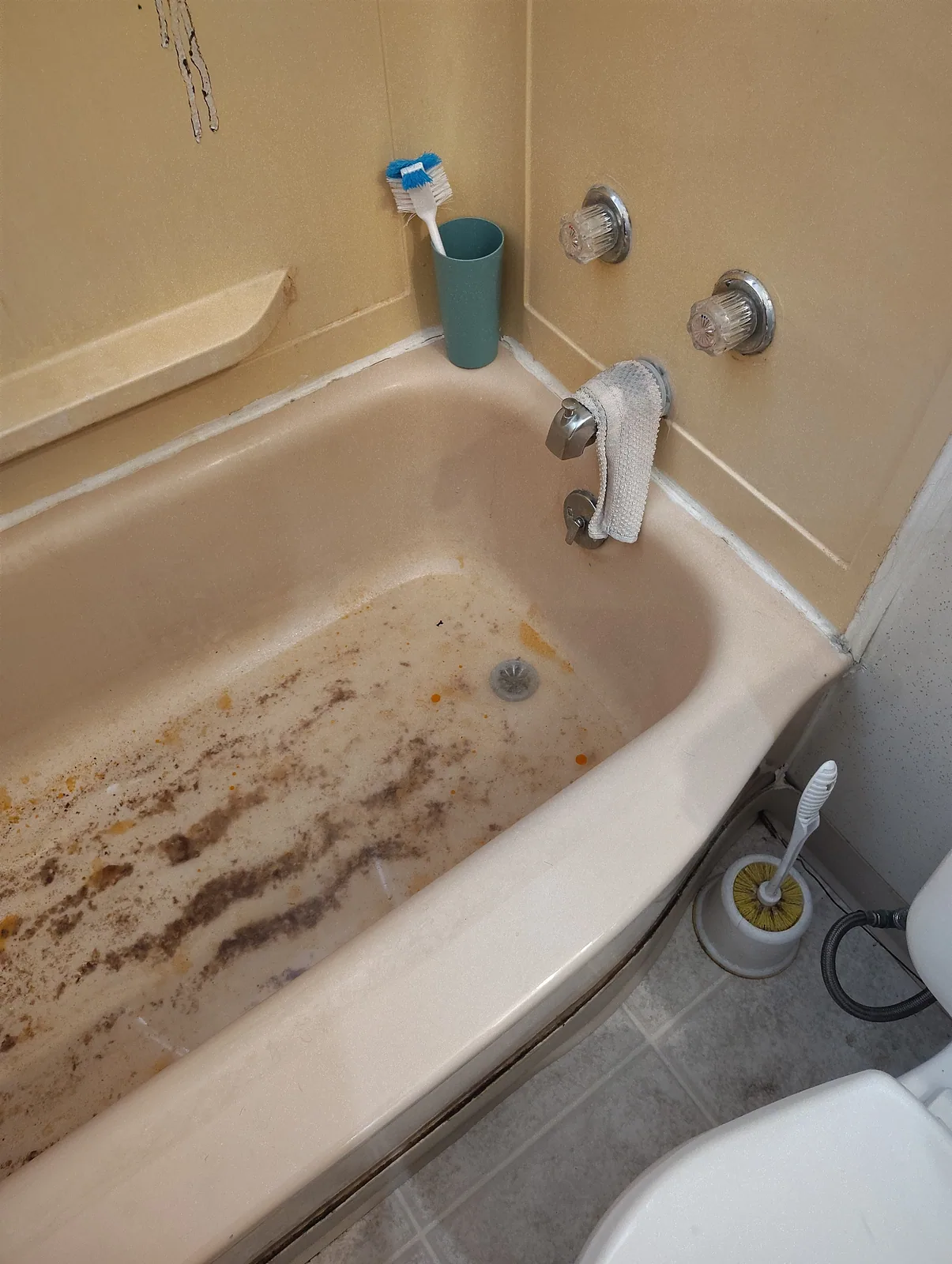
Standing in a Slow-Draining Tub: When to Worry
Here at DrainMaster, we frequently field panicked calls from homeowners who just finished a hot shower on a chilly October evening, only to find themselves standing ankle-deep in murky, soapy water. The immediate anxiety sets in as you watch the dirty water linger. Does a slow draining bathtub warrant an emergency plumber call? It is the central dilemma every homeowner faces when plumbing acts up after normal business hours: deciding if this requires an immediate after-hours dispatch or if it can wait for a standard daytime appointment. Dropping overnight temperatures in mid-fall can heighten the fear of potential overnight pipe backups, making the decision even more stressful.
The short answer is that context matters. In our experience servicing Columbus plumbing systems, understanding the broader context of your home's drain and sewer services helps make this decision much easier. While some minor issues just need standard clearing, older pipes might eventually require professional pipe descaling to restore flow safely. Knowing what to look for can save you a significant amount of stress and help you avoid unnecessary panic when the sun goes down.
When you are staring at a tub that refuses to empty, your first instinct might be to pick up the phone immediately. Before you do, it helps to pause and evaluate the surrounding fixtures. The way your bathtub behaves in relation to the rest of your bathroom holds the key to diagnosing the severity of the blockage. Our dispatchers always ask callers to take a few minutes to observe the symptoms, so we can confidently determine the right course of action for your home and your peace of mind.
The Go/No-Go Triage Checklist for Bathtub Drains
At DrainMaster, our primary goal with this checklist is honest diagnostics. We want to protect your wallet by openly advising you to wait for standard service hours if the issue is localized and safe to leave overnight. Many homes in Columbus OH experience standard hair and soap scum buildup that does not require an emergency response. Isolating the issue protects you from panic-booking an unnecessary after-hours call.
To help you categorize the problem quickly, our team has broken down the symptoms into a straightforward triage system. This allows you to look at the facts of the situation rather than reacting to the frustration of a clogged fixture.
| Symptom Observed | Likely Cause | Recommended Action |
|---|---|---|
| Tub drains slowly but eventually empties | Hair or soap scum in the P-trap | Wait for standard daytime service |
| No strange smells or sounds | Localized, minor blockage | Wait for standard daytime service |
| Gurgling from the toilet when tub drains | Venting issue or shared line blockage | Monitor closely; schedule prompt service |
| Raw sewage smell from the tub drain | Main sewer line backup | Call for an emergency dispatch |
| Water backs up into tub when flushing toilet | Severe main sewer line failure | Call for an emergency dispatch |
Signs It Can Wait for Standard Service Hours
Not every plumbing hiccup requires immediate intervention. If you notice the following signs, you can safely turn off the bathroom light and schedule a visit during normal business hours:
- The tub is the only fixture draining slowly: If your bathroom sink and toilet are functioning perfectly, the blockage is almost certainly isolated to the bathtub's specific drain pipe or P-trap.
- Water eventually drains completely: A drain that takes twenty minutes to empty is annoying, but it is still moving water. This means the pipe is not entirely sealed off, and the risk of an overflow is minimal as long as you stop running the water.
- There are no foul odors present: The absence of a raw sewage smell indicates that the blockage consists of standard bathroom debris—like hair, shampoo residue, and soap scum—rather than a backup from the municipal sewer line.
Signs You Need an Emergency Dispatch
On the other hand, some symptoms indicate a structural failure that threatens the sanitation and safety of your home. If our plumbers hear you describe these red flags, we know immediate attention is necessary:
- Sewage smells are emanating from the drain: If the bathroom smells like a septic tank, wastewater is likely sitting stagnant near the surface or pushing back up the pipe.
- Using the washing machine causes the tub to fill: This is a massive warning sign. It means water from a completely different part of the house cannot reach the municipal sewer and is finding the lowest point of escape—your bathtub.
- Toilets bubble or gurgle when the tub is draining: This indicates that trapped air is being forced out through the toilet's water seal because the main drainage line is blocked.

How to Tell a Localized Clog from a Main Sewer Line Failure
Understanding the anatomy of your bathroom plumbing helps clarify why certain symptoms occur. Every fixture in your bathroom connects to a shared drainage branch, which eventually meets the main sewer line leading out of your home. A clog trapped directly in the tub's P-trap—the curved pipe directly beneath the drain—only affects the tub. However, our technicians often see that a blockage further down the line will impact multiple fixtures.
You can perform a few safe visual tests without any tools to determine exactly where the blockage lives. Knowing when a clogged drain becomes a true emergency prevents unnecessary stress during an October evening when you would rather be relaxing.
Step 1: The Toilet Flush Test
Make sure the bathtub is empty, or at least not actively running. Flush the toilet located in the same bathroom. Watch and listen to the bathtub drain closely. If the tub drain gurgles, bubbles, or if water starts rising into the tub basin, you have a blockage in a shared line. The water from the toilet is hitting a wall and pushing back up into the tub.
Step 2: The Sink Run Test
Turn on the bathroom sink and let it run for a solid minute. Again, monitor the bathtub. If running the sink causes water to pool in the tub, the blockage is located past the point where the sink and tub pipes connect. If the sink drains perfectly and the tub remains unaffected, your tub's P-trap is the sole culprit.
Step 3: The Lowest Point Check
Water always seeks the lowest point of exit. If you have a multi-story home and the upstairs tub is draining slowly, check the ground floor or basement fixtures. If a basement shower or floor drain is backing up while you use upstairs water, your main sewer line is failing.
By systematically checking these fixtures, you gather the exact information a professional needs to diagnose the issue. If your tests point to an isolated tub clog, you can rest easy knowing the rest of your home is safe for the night.
Why Aging Plumbing Complicates Drain Speed
If you find yourself constantly dealing with a slow tub, the problem might not be what you are washing down the drain, but rather the pipe itself. Homes built before the 1980s often utilize cast iron plumbing for their main drainage stacks. While incredibly durable, cast iron is prone to a process called tuberculation—internal scaling and rusting that creates a highly textured, jagged surface inside the pipe.
Many historic neighborhoods in Columbus OH, such as German Village and Clintonville, feature this aging cast iron infrastructure. Our drain clearing experts frequently see how this internal scaling worsens over the decades, shrinking the diameter of the pipe. More importantly, this rough internal scaling traps hair, soap scum, and bath products much faster than modern, smooth PVC pipes.
The compounding effect of soap scum:
When you use bar soap or heavy conditioners, the residue washes down the drain and hits the jagged edges of a scaling cast iron pipe. It snags. Then, a single strand of hair catches on that sticky residue. Over weeks and months, this creates an unyielding net that drastically slows the flow of water. Plunging might punch a tiny temporary hole through the debris, but it will not clear the rough pipe walls.
Addressing these chronic slow drains proactively—especially as we prepare for winter freezes—is always better than waiting for a complete blockage. Ignoring a chronically slow drain forces standing water to sit against aging pipe joints, which can accelerate deterioration. Fortunately, specialized services like drain descaling in Columbus are designed to smooth these older pipes without destructive trenching. High-speed, specialized equipment safely grinds away the rust and scale, restoring the pipe to its original interior diameter and preventing those frustrating snags.
Frequently Asked Questions About Slow Bathtub Drains
Is a slow draining bathtub an emergency?
Usually, no, if it is the only affected fixture in the bathroom. An isolated slow drain is an inconvenience that can safely wait for a scheduled daytime appointment. However, it becomes an emergency if raw sewage is present, or if water backs up into the tub when you flush a toilet.
Can I leave a slow drain overnight?
Yes, an isolated slow drain will not spontaneously burst or flood overnight. If the water eventually empties, you can safely turn off the faucet and leave it until morning. Scheduling a standard appointment for the next business day in mid-fall is perfectly safe and protects your budget from after-hours fees.
How do you know if a main sewer line is clogged?
Look for water backing up in lower fixtures when upper fixtures are used. You might also listen for gurgling in the tub when the toilet flushes, or notice that running the washing machine causes the downstairs shower to fill with water. These interconnected symptoms mean the main exit route for your home is blocked.
What happens if you ignore a slow drain?
Ignoring a slow drain leads to compounding blockages as more debris gets trapped in the restricted pipe. Over time, the standing water puts unnecessary stress on pipe joints and seals, increasing the risk of leaks. Addressing chronic slowness before deep winter freezes prevents localized clogs from compounding with frozen main line stresses.
Should I use chemical drain cleaners on a slow tub?
Our DrainMaster plumbers strongly advise against using chemical drain cleaners, especially in older Columbus homes. These harsh chemicals rely on caustic heat to burn through clogs, which can severely damage aging cast iron pipes and weaken PVC joints. They also pose a significant safety hazard to the plumber who eventually has to open the line to fix the remaining blockage.
Make the Right Call for Your Plumbing System
Dealing with plumbing issues is never fun, but knowing how to interpret the symptoms puts you back in control of the situation. A slow tub alone is an annoyance that requires attention, but a slow tub accompanied by gurgling toilets or sewage odors is a red flag demanding immediate action. You now have the criteria to confidently decide whether to wait for morning or call for help immediately.
At DrainMaster, our commitment to transparent, honest diagnostics means you won't be pushed into an emergency fee if a standard daytime appointment will safely solve the problem. If you are dealing with a stubborn tub that refuses to drain properly, we encourage scheduling a thorough inspection during standard hours to evaluate the health of your pipes. We invite Columbus OH homeowners to talk to an expert about their specific situation, ensuring your plumbing remains reliable no matter the season.
When your plumbing is a disaster, call the Master
Clogged, Backed Up, or Flooding? Call the Master.
From a stubborn kitchen drain to a collapsed sewer line, the DrainMaster crew has Greater Columbus covered. Phones are answered after hours, and we schedule a licensed local plumber as soon as one is available.
- We explain what we find in plain English
- You approve the price before any work starts
- Licensed & insured Ohio plumbers