




Westerville sits along Alum Creek in northern Franklin County, where tree-lined streets in the historic Uptown district give way to newer subdivisions built out toward Africa Road and the Polaris corridor. That mix of eras means plumbing needs vary block by block, from century-old clay and cast iron lines near State Street to PVC and PEX systems in homes built within the last two decades.
A plumber working in Westerville has to be equally comfortable diagnosing an original early 1900s water line and troubleshooting a tankless system installed last year.
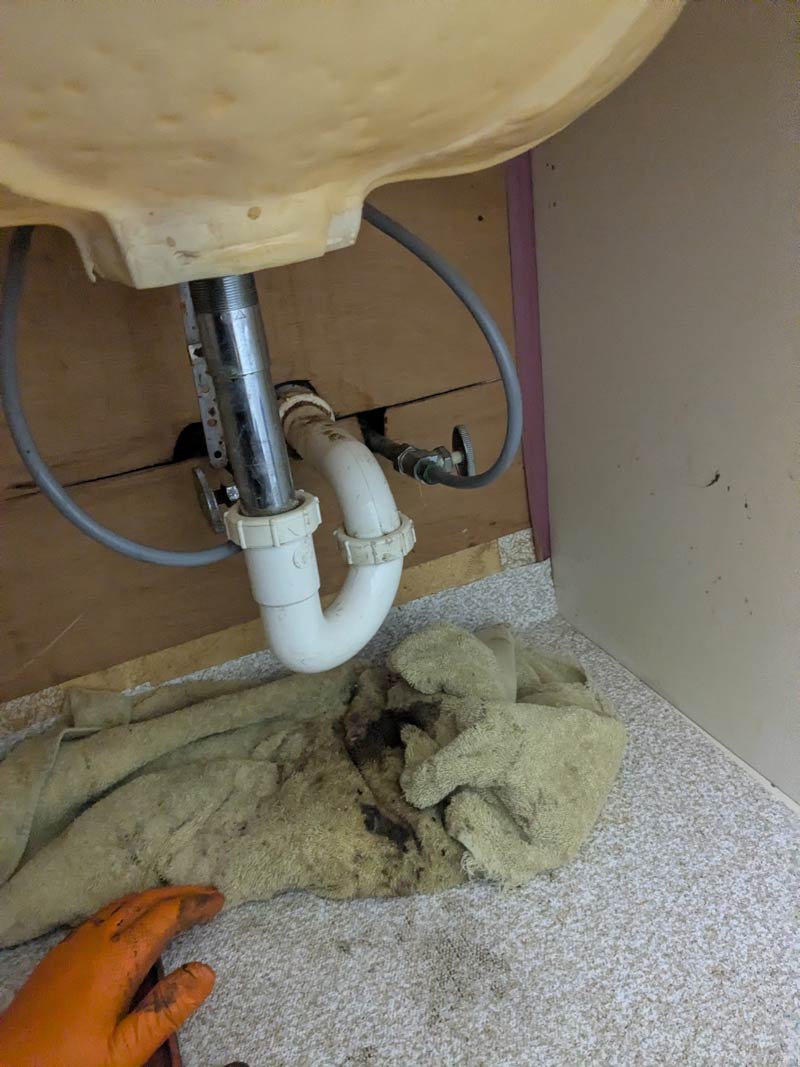
Many repair calls in Westerville trace back to the ground itself. Central Ohio’s clay-heavy soil expands and contracts with the seasons, and that movement puts steady pressure on buried water and sewer lines, especially in older sections of town where pipe joints have had a century to loosen.
Homes near Uptown often still carry original galvanized steel supply lines, which corrode from the inside and gradually lose water pressure long before a homeowner sees a visible leak. Add in a hard freeze during a January cold snap, and a slow drip can turn into a burst pipe overnight.
Whether the issue is a corroded fitting, a cracked drain line, or a fixture that has simply worn out, repairs are approached with an eye toward what the home’s age and soil conditions are likely doing underground, not just what is visible above the floor.
As Westerville has grown north and east toward Africa Road and the Polaris area, installation work has followed right along with it. New builds and additions in these newer sections typically call for PEX repiping, modern water heaters, and updated fixtures sized for larger, more water-hungry households.
Renovation projects in the older parts of the city bring a different kind of installation work. Replacing a fifty-year-old water heater tucked into a small original basement, or rerouting supply lines during a kitchen remodel in a pre-war home, calls for planning around tight spaces and outdated layouts that today’s fixtures were never designed for.
Either way, installation is treated as a chance to correct whatever the home’s age or its neighborhood’s growth has left behind.
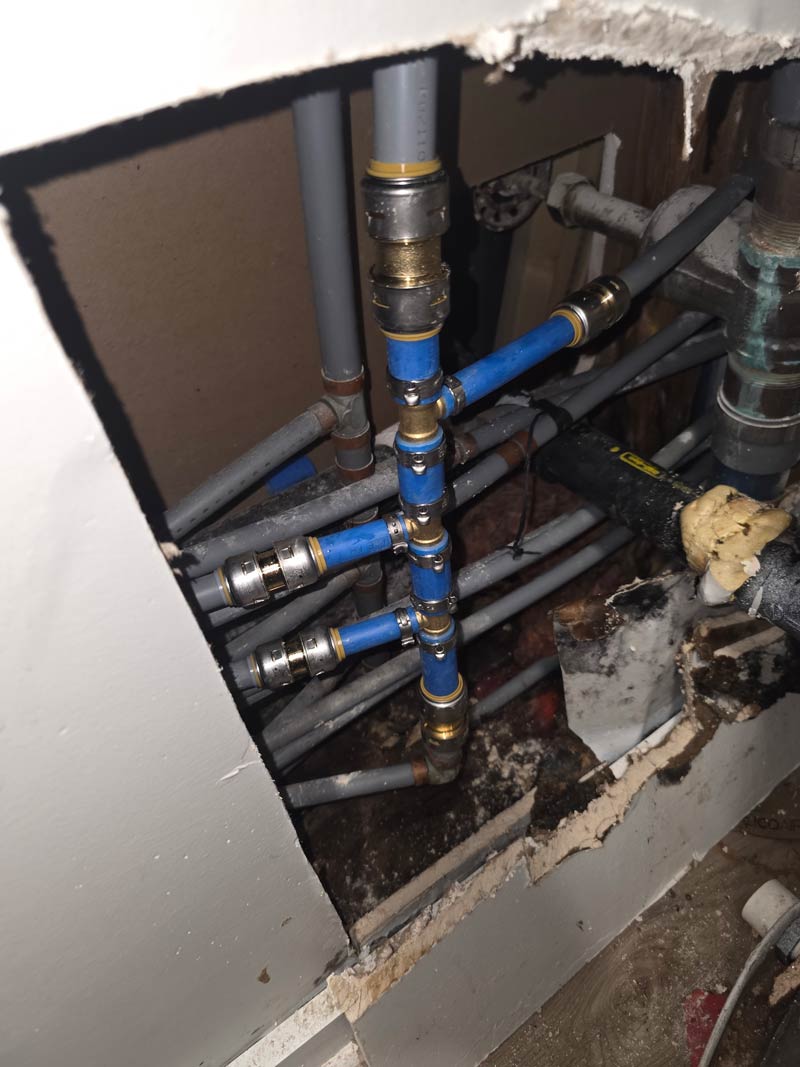
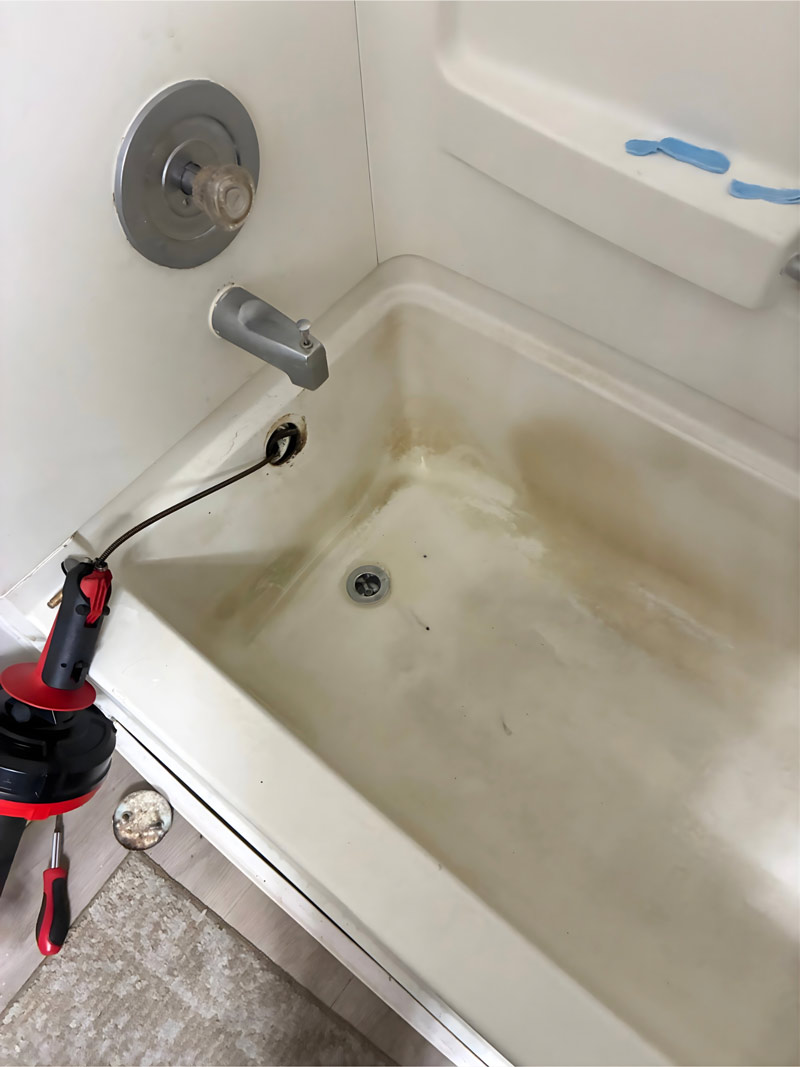
Beyond repairs and installations, day-to-day plumbing needs in Westerville cover a wide range of work, much of it shaped by how central Ohio weather cycles through the year. Common services requested by local homeowners include:
Each of these requests tends to spike at a different point in the year, which is part of why year-round availability matters as much as the work itself.
Mark called in on a cold February morning after noticing the water heater in his Uptown Westerville home was leaking from the bottom and no longer producing hot water. His house, built in the early 1900s, still had its original layout, which meant the water heater was tucked into a small closet with barely enough room to maneuver.
After confirming the tank itself had failed rather than a connected fitting, the old unit was carefully removed and replaced with a properly sized water heater built to fit the same tight footprint. The new connections were tested for leaks, the temperature was set to a safe level for the household, and Mark had hot water again before the visit was over.
It was a straightforward repair on paper, but working around a century-old closet is exactly the kind of detail that comes up often in Uptown’s older homes.

Choosing a plumber in Westerville means choosing someone who understands how differently the city’s older and newer neighborhoods behave underground, and how much central Ohio’s freeze-thaw winters and humid summers can affect both.
DrainMaster Drain Cleaning & Sewer Line Repair brings licensed, background-checked technicians to every call, along with upfront explanations before any work begins. Whether the job is a same-day repair in a historic Uptown home or a full installation in a newer build near Polaris, the goal is the same: solve the problem correctly the first time.
It usually comes down to age and pattern. A single isolated leak in a newer system is often a simple repair, while recurring leaks, low water pressure throughout the house, or discolored water in an older home can point to pipes wearing out across the board and may be better served by full replacement.
Many homes in the older parts of the city still have original supply lines running through uninsulated crawlspaces or exterior walls. When temperatures drop sharply, as they often do during a January cold snap, those pipes are more exposed to freezing than the better-insulated lines found in newer construction.
A yearly check before the heaviest spring rains is a good baseline for most homes. Properties in low-lying areas near Alum Creek or its tributaries may benefit from an additional check in late summer, when heavier storms can put extra strain on a sump system.
Yes. Many streets, especially in older, established neighborhoods, have mature trees planted decades ago, and their root systems naturally seek out the moisture inside sewer lines. Over time, roots can work their way into small cracks or joints and slow or block a line.
Start by checking whether the drop affects one fixture or the whole house. A single fixture issue is often a localized clog or a failing part, while a whole-house drop can point to a supply line problem underground and is worth having looked at promptly before it worsens.