




Pataskala sits at the edge of the Columbus metro in western Licking County, occupying a transitional zone between suburban development and rural Ohio. The city has grown steadily as families have moved east along US-40 and I-70 in search of more space, and its housing stock reflects that growth pattern. Newer subdivision homes in established developments sit alongside older ranch properties on larger lots, and a meaningful share of the surrounding area consists of homes on private well systems rather than municipal water. That combination of suburban and semi-rural conditions creates a water heater service profile that is genuinely different from what we see closer to Columbus, and our technicians are prepared for it.
Pataskala’s location east of Columbus means its winters can be slightly colder than the city itself, and homes on the outer edges of the metro with less urban heat island effect feel those temperature drops more acutely in utility areas. Homes on private well systems also face a distinct set of water heater stressors that do not apply to municipal customers. Regardless of your water source, these signs mean your unit needs a professional look:
For Pataskala homeowners on well water, it is worth noting that iron-rich or high-sulfate water can degrade anode rods in as little as two to three years rather than the five to seven years typical of municipal water service. Annual inspection is strongly advisable in those cases.
The water chemistry picture in Pataskala is more variable than in most Columbus suburbs. Homes on the municipal supply draw treated water with moderate mineral hardness, comparable to the rest of Licking County. But a significant portion of Pataskala properties, particularly those on larger lots east of the developed core, rely on private wells that can carry elevated iron, manganese, or hydrogen sulfide content. Those minerals attack water heater components at a faster rate than treated municipal water, accelerating anode rod depletion, promoting internal tank corrosion, and creating persistent hot water odor issues. We approach every Pataskala service call by asking about the water source first, because the diagnostic path and repair strategy differ meaningfully depending on the answer.


We offer complete water heater repair in Pataskala for both municipal and well water properties, covering gas and electric tank systems as well as tankless units in newer construction. Our technicians carry parts suited to the range of equipment found across Pataskala’s varied housing stock. Services include:
We serve all Pataskala addresses and surrounding Licking County properties and offer same-day scheduling for most calls placed before noon.
Pataskala does not have the kind of distinct named neighborhoods found in larger Columbus suburbs, so our service calls here tend to be spread across the city’s residential streets and the semi-rural roads that run east toward Kirkersville and beyond. We were called by Greg, whose home on a private well a few miles outside the main Pataskala development had been producing discolored hot water and a noticeable iron smell for several months. His electric tank unit was about nine years old. The combination of iron-rich well water and a fully depleted anode rod had allowed early-stage internal corrosion to begin in the lower third of the tank. We replaced the anode rod with a magnesium-aluminum variant better suited to high-iron water, flushed the sediment that had accumulated at the tank floor, and treated the system. Greg’s water quality improved within a day. We also flagged that the unit would need monitoring given the internal corrosion already present, and gave him a clear picture of what to watch for going forward.
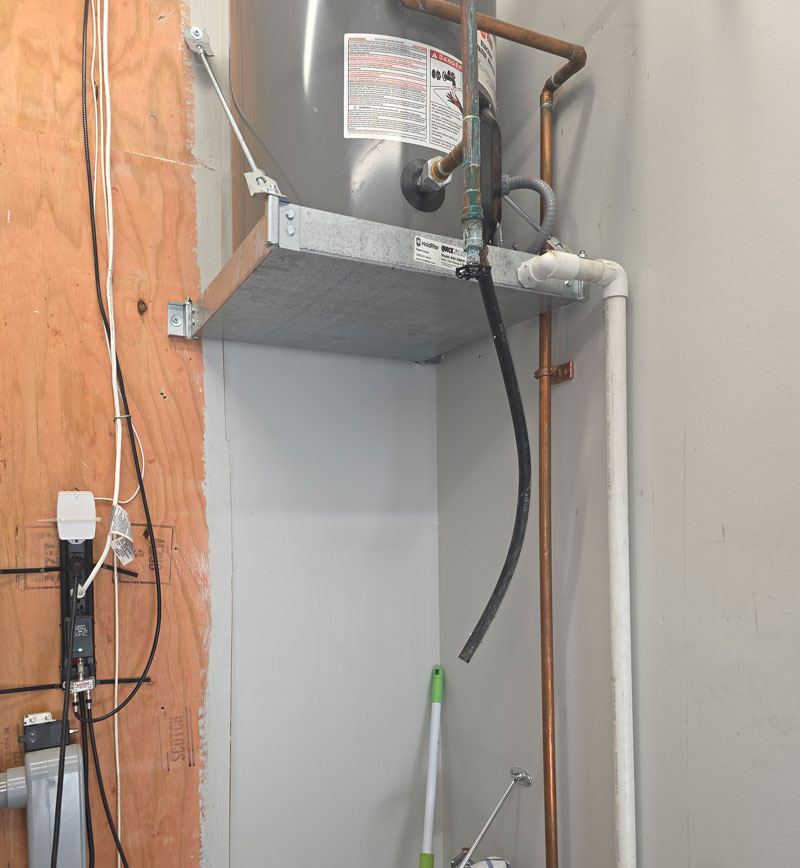
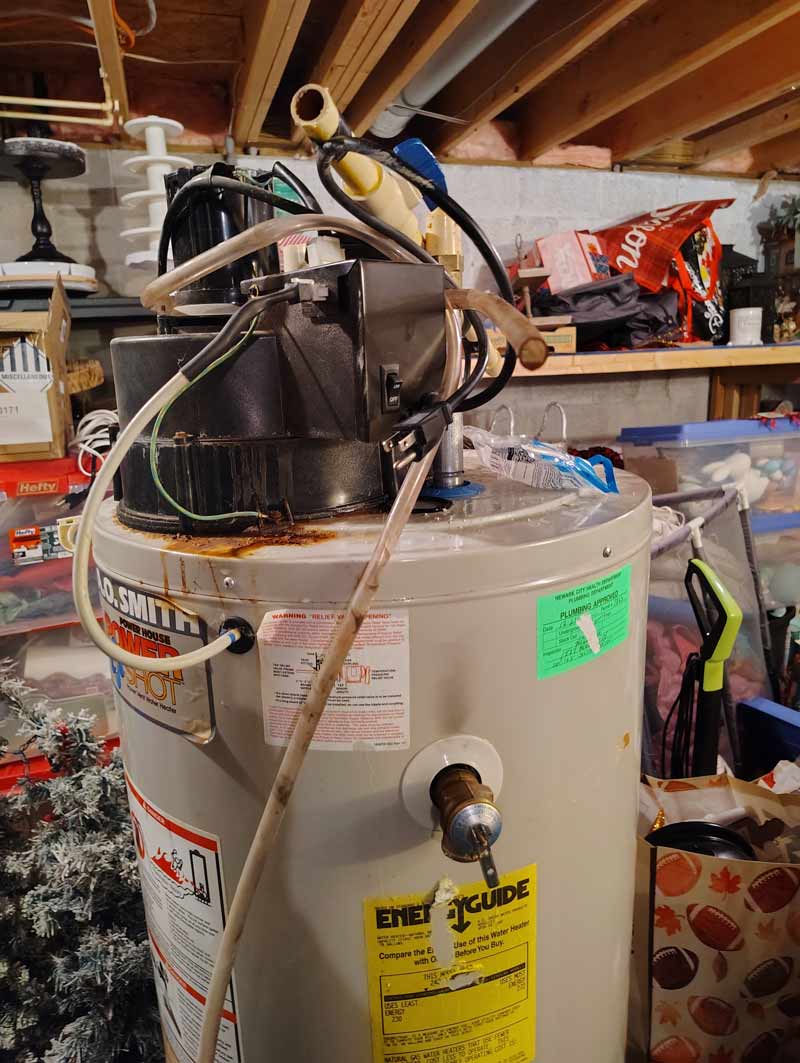
Serving Pataskala means understanding that not every property here is a standard suburban home on city water, and we do not treat them that way. Our technicians ask the right questions before arriving, arrive prepared for the actual conditions on site, and give Pataskala homeowners the same level of honest, thorough service we provide anywhere else in our coverage area. Whether your home is a newer subdivision build on municipal water or a rural property on a private well, we have the experience and the parts to address what your water heater actually needs.
Yes. High iron content accelerates anode rod depletion and can promote internal corrosion in tank-style units at a significantly faster rate than treated municipal water. Homes in Pataskala on private wells with known iron issues should have their water heater inspected annually and anode rods checked every two to three years.
For homes with high iron or sulfate content, a magnesium-aluminum combination or a powered anode rod often outperforms a standard magnesium rod. We can assess your water conditions during a service visit and recommend the right option for your specific situation.
Probably not. Hot water odor is almost always caused by anode rod depletion combined with bacterial activity or water chemistry, not a failing tank. Anode rod replacement and a tank flush typically resolve the issue without requiring a new unit.
Homes on the eastern edge of the Columbus metro, including much of Pataskala, experience slightly colder ambient temperatures than urban Columbus in winter. For units in garages, crawlspaces, or partially conditioned basements, that means working harder to maintain temperature and recover between uses. Insulating the space around the unit helps reduce that strain.
Yes. We serve properties throughout western Licking County, including rural addresses on private roads and well water systems. Let us know your address and water source when you call so we can prepare appropriately for the visit.