




Dublin’s plumbing landscape splits sharply along its history. Old Dublin, perched on limestone bluffs above the Scioto River, still holds homes and buildings dating back well over a century, while the newer growth radiating out toward Bridge Park and Muirfield sits on a completely different foundation, built with modern piping standards from the start.
A plumber working across Dublin has to move comfortably between a nineteenth-century stone foundation on High Street and a high-density condo built within the last five years.
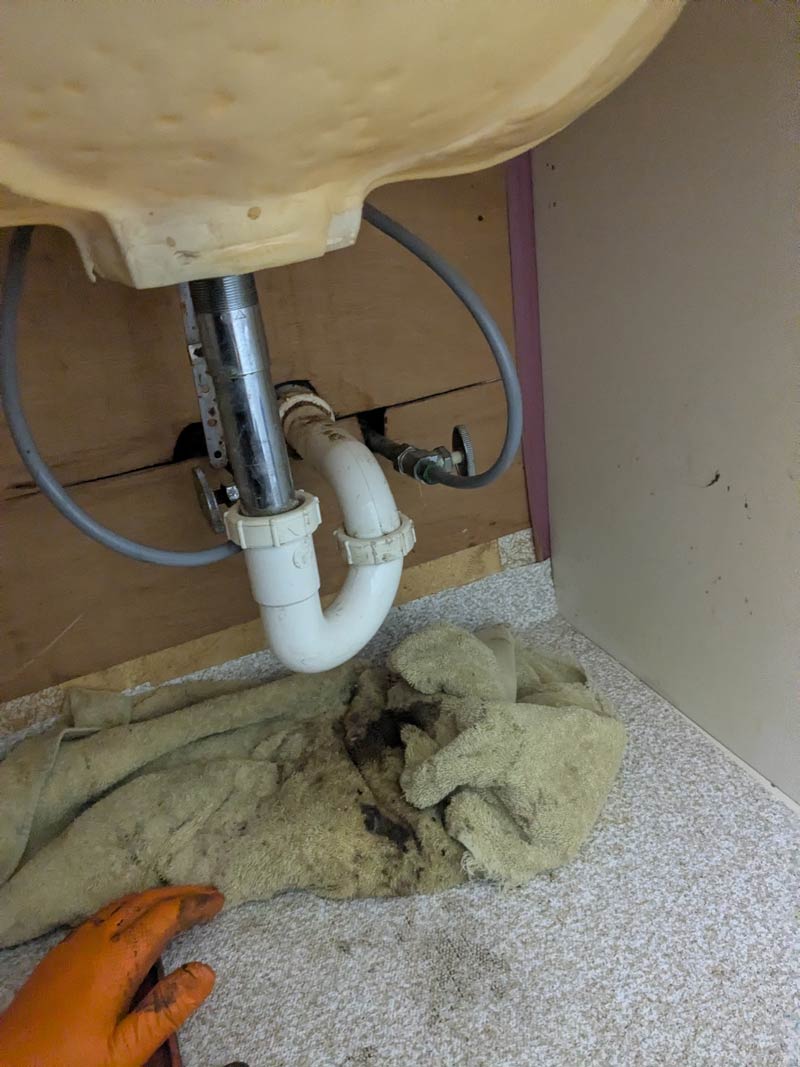
The limestone bedrock that gives Old Dublin its riverside bluffs also shapes how underground lines fail. Shifting rock and thin topsoil in that part of the city put unusual strain on buried pipes, and older sections built before modern trenching standards are more prone to settling cracks than the sandy, engineered lots found in newer developments.
Repair calls in Dublin often start with a homeowner noticing a slow change, a faint sound in the walls, a drop in pressure, a patch of unusually green grass, rather than a dramatic failure. Catching those early signs before winter’s freeze-thaw cycle turns a hairline crack into a full break is a routine part of the job here.
Installation needs in Dublin depend heavily on which decade a home was built in. Requests from local homeowners commonly include:
Matching the right installation approach to the right era of home is most of the work before a single pipe is touched.

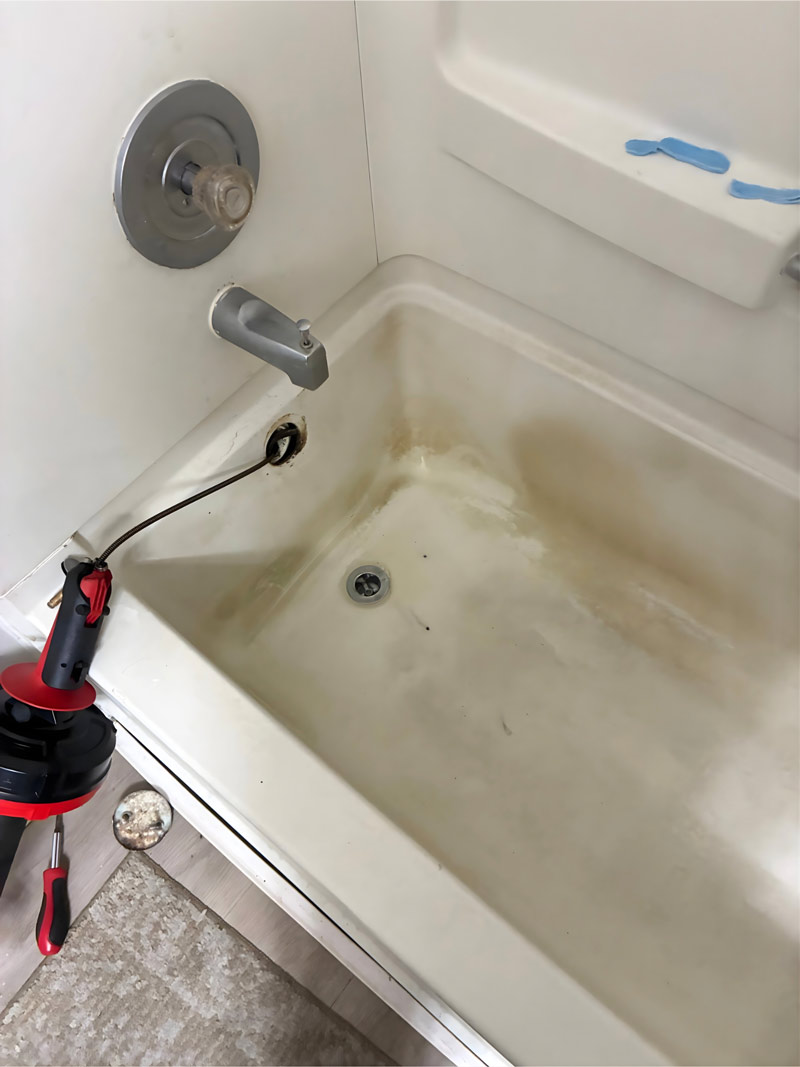
Outside of major repairs and installs, most calls in Dublin are seasonal in nature. Heavy spring runoff along the Scioto tests sump systems in low-lying yards, summer humidity strains water heaters running longer cycles, and winter cold snaps put the most pressure on exposed lines in older crawlspaces. Rather than treating these as one-off emergencies, service is planned around the time of year they are most likely to happen.
James reached out about a slow-draining kitchen sink in his Old Dublin home, a house built close to a century ago on a lot lined with mature trees. The drain had been sluggish for weeks before it stopped completely.
A camera inspection found root intrusion near a joint in the original clay line, a common issue on streets where the trees are older than the houses. The affected section was cleared and the line was flushed and rechecked, and James was back to normal drainage the same afternoon.
Root intrusion like this shows up often in Old Dublin, where the same trees that make the neighborhood feel established are working against the pipes underneath it.
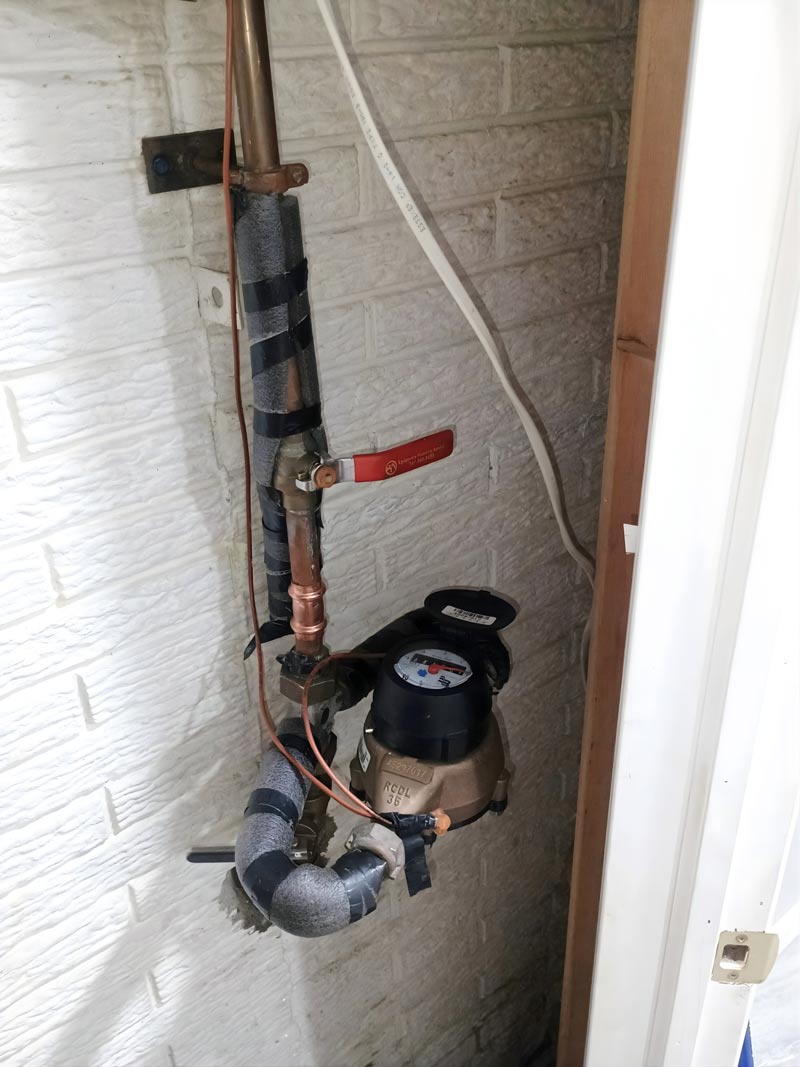
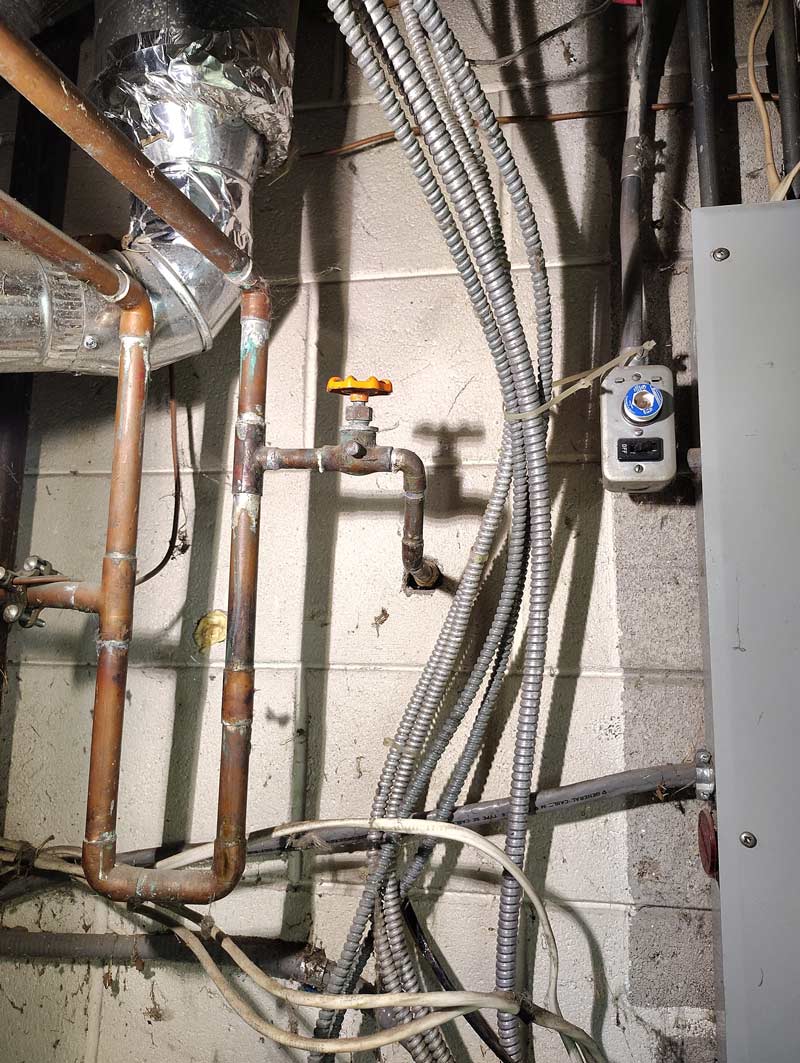
Dublin homeowners are choosing a plumber who can read the difference between a limestone-bluff foundation issue and a straightforward fixture failure in a newer build, without treating every job the same way.
DrainMaster Drain Cleaning & Sewer Line Repair sends licensed, background-checked technicians who explain what they find and what it will take to fix it before starting any work, whether that is in a century-old home downtown or a new build near Bridge Park.
It often relates to what the home sits on. Areas near the Scioto River bluffs have thinner topsoil over limestone, which can shift slightly over time and put more stress on buried lines than the deeper, more uniform soil found in many newer subdivisions.
Generally yes. Homes built before modern piping codes may still have original materials that corrode or crack with age, so they tend to need more frequent inspection than homes built in the last couple of decades with PEX or copper systems.
Heavy spring rain raises groundwater levels near the river, which can overwhelm sump pumps and put extra pressure on basement drainage systems in low-lying yards. A pre-spring check is a good way to catch a weak pump before it is tested by a storm.
Mature trees, common throughout Old Dublin, send roots toward any available moisture, including the inside of aging clay sewer lines. Once a root finds a small crack or joint, it can grow and gradually block the line.
It is worth having looked at. A gradual pressure change can point to mineral buildup or a slow leak, while a sudden drop is more often tied to a specific break or blockage, and either one is easier to resolve the sooner it is caught.