




Canal Winchester sits at the convergence of southern Franklin County and northern Fairfield County, drawing its name from the old Ohio and Erie Canal that once ran through the area. The town has grown considerably over the past two decades as development spread south along Gender Road and Lithopolis Road, adding subdivision neighborhoods to what was once a small rural community. That growth pattern means Canal Winchester’s housing stock spans from historic in-town properties near the original village core to relatively new construction on the city’s expanding edges. Our technicians serve the full range of Canal Winchester homes and understand the distinct conditions that come with each development era.

Canal Winchester’s geography places it in the Walnut Creek watershed, and the area’s clay-laden soils experience seasonal moisture shifts that can affect older homes with crawlspace or basement foundations. Water heaters in these spaces are sometimes exposed to elevated humidity levels during wet spring and fall periods, which accelerates external corrosion on fittings and connections even when the tank is structurally sound. For newer subdivision homes, the risk profile is different but no less real. These are the warning signs that apply across all Canal Winchester homes:
Canal Winchester’s newer subdivision homes often have water heaters in dedicated mechanical rooms on the first floor rather than in basements. That positioning makes early leak detection easier, but it also means a failure can affect finished living space more directly if it is not caught in time.
Canal Winchester draws water from a combination of municipal sources depending on location within the city. Mineral hardness in the area is comparable to much of the Franklin and Fairfield County corridor, which means sediment accumulation in tank heaters is a reliable long-term issue for homes that go without periodic flushing. What makes Canal Winchester somewhat distinct is the prevalence of crawlspace foundations in older in-town properties, where water heaters are sometimes installed in crawlspace mechanical areas with limited access and higher ambient humidity. We have serviced units in Canal Winchester where external corrosion on the lower tank and fittings was significantly advanced due to years of crawlspace moisture exposure, even though the unit was still functioning. Anode rod depletion combined with crawlspace humidity is a combination that shortens tank life noticeably compared to basement or conditioned utility room installations.
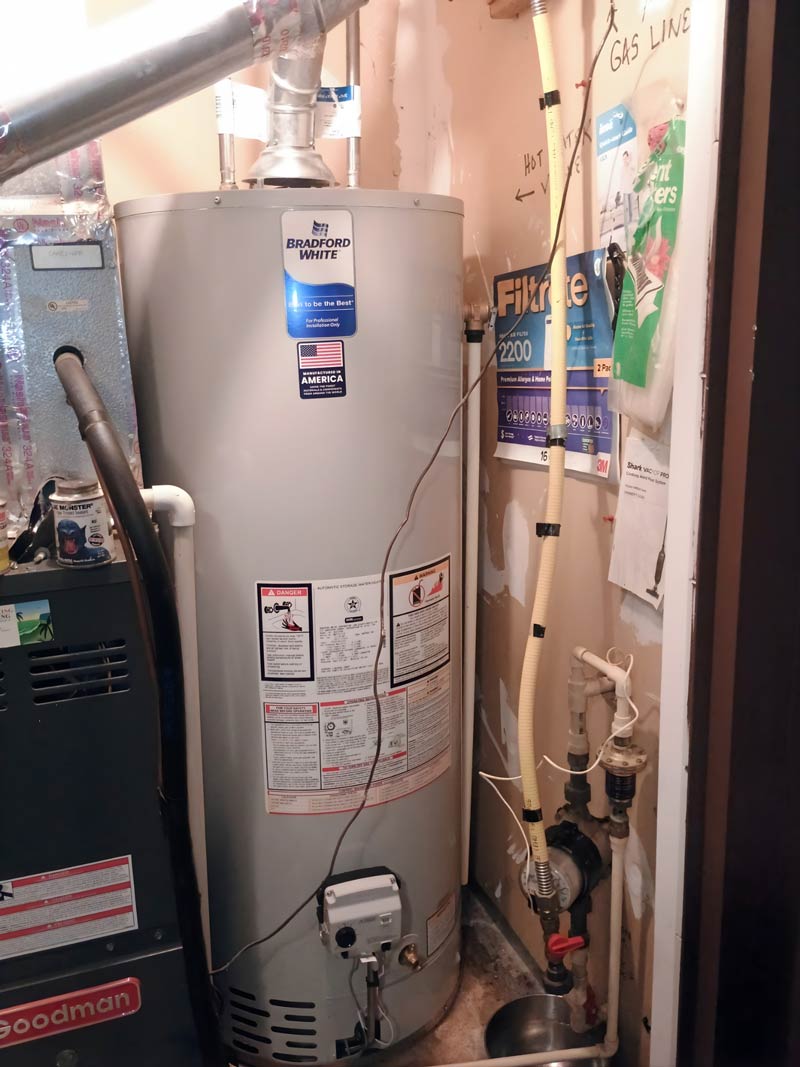
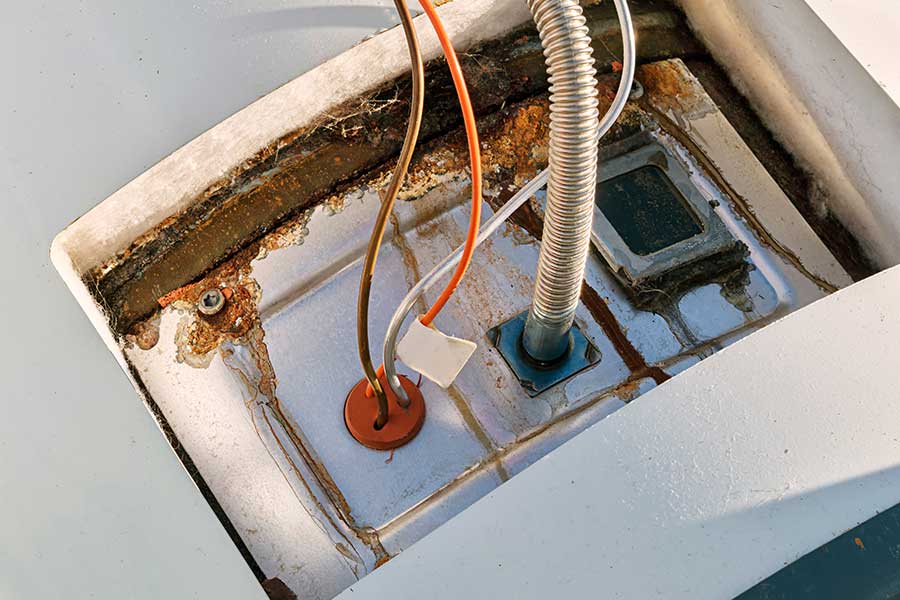
We provide complete water heater repair throughout Canal Winchester, covering both the older in-town properties and the newer subdivision homes on the city’s developing edges. Our technicians are experienced working in crawlspace environments and confined mechanical rooms as well as standard basement and utility room installations. Services include:
We serve all Canal Winchester addresses in both Franklin and Fairfield counties and offer same-day scheduling for most calls received before noon.
The historic core of Canal Winchester, centered on the streets near Waterloo and Washington avenues, contains some of the town’s oldest residential properties and some of its most character-rich homes. We were called by Brian, who owns a craftsman-style home near the old village center that had been experiencing a steady decline in hot water volume over about three months. His water heater was housed in a low-clearance crawlspace mechanical area beneath the home. When our technician accessed the space, the unit was still functioning but showed significant external corrosion on the lower shell and both connections from years of crawlspace humidity exposure. The anode rod was fully depleted and the sediment accumulation at the tank floor was substantial. Given the corrosion pattern, we recommended replacement over repair and completed the full swap with a new unit properly positioned and supported within the crawlspace. Brian’s hot water capacity was fully restored, and we also identified a crawlspace vapor barrier issue that had been contributing to the moisture problem and flagged it for his attention.


Canal Winchester is a community with a strong sense of its own history and a practical approach to homeownership. We match that approach on every service call. Our technicians understand the range of conditions found in Canal Winchester homes, from the humidity challenges of older crawlspace properties to the mechanical room configurations of newer subdivisions, and we bring the right tools and the right knowledge to address both. We diagnose before we quote, we explain before we work, and we give Canal Winchester homeowners a straight answer about what their water heater actually needs. Same-day service, transparent pricing, and no unnecessary upselling are what you can expect every time you call.
Yes, more than most homeowners realize. A water heater in a damp crawlspace is exposed to elevated moisture year-round, which accelerates external corrosion on the tank shell, fittings, and connections. It also creates conditions where anode rod depletion has a more immediate effect on internal tank protection. Units in crawlspace installations benefit from more frequent inspection intervals than those in conditioned spaces.
Homes near the creek corridor can experience higher groundwater levels and seasonal moisture infiltration into crawlspaces and basements, particularly in wet spring periods. If your water heater is in a below-grade or crawlspace location, annual inspection of external corrosion and connection condition is a reasonable precaution given that proximity.
A safe water heater installation has adequate clearance around the unit, proper venting for gas models, no direct exposure to standing water or chronic moisture, and a working pressure relief valve with a properly routed discharge pipe. If your unit is in a crawlspace or basement and you have concerns about any of these conditions, we are glad to assess the installation as part of a service visit.
Yes. We serve all Canal Winchester addresses, including the newer subdivisions along Gender Road and Lithopolis Road. Newer homes often have tankless or high-efficiency units that require different diagnostic tools than traditional tank systems, and our technicians are equipped for both.
Turn off the cold water supply valve feeding the unit and, for gas heaters, set the thermostat to pilot mode. Then call for service. Pooling water can indicate a failed relief valve, a corroded drain valve, a leaking fitting, or in serious cases a breach in the tank itself. Do not assume it will stop on its own or wait to see if it gets worse.