Key Points
- Kitchen drain clogs are one of the most common plumbing calls in Columbus, OH.
- Grease, food scraps, and soap buildup are the leading causes of kitchen sink blockages.
- Chemical drain cleaners can damage pipes and should be avoided.
- Some clogs require professional drain snaking or hydro jetting to fully clear.
- Routine maintenance helps prevent recurring blockages before they become costly repairs.
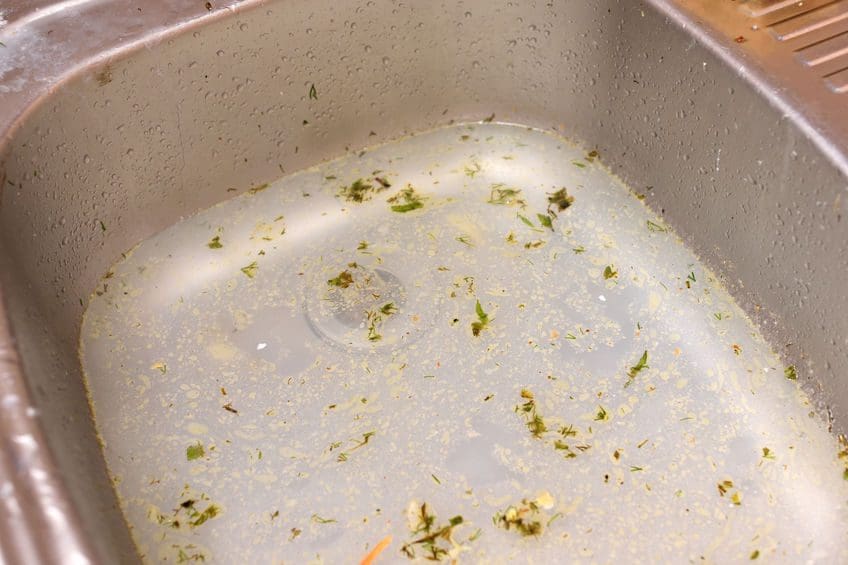
A clogged kitchen sink is one of the most disruptive plumbing problems a homeowner can face. Water backs up, odors develop, and daily tasks like cooking and cleaning come to a halt. In our service calls throughout Columbus, OH, kitchen drain clogs are among the most frequent issues we respond to, and they rarely happen without warning signs that were easy to miss.
Understanding what causes these clogs, how to recognize them early, and when to call a professional can save you time, money, and significant frustration. Our team at DrainMaster provides drain cleaning in Columbus, OH to help homeowners get their kitchens back in working order quickly and keep them that way.
What Causes Kitchen Drain Clogs?
Kitchen drains take on more stress than most homeowners realize. Every meal prepared, every dish washed, and every glass rinsed sends material down the drain that gradually accumulates inside the pipe walls.
The most common culprits in Columbus homes include:
- Cooking grease and oils that solidify along pipe walls as they cool
- Food particles that pass through or around the strainer and collect deeper in the line
- Soap scum that bonds with minerals in Central Ohio’s moderately hard water
- Coffee grounds and starchy foods like pasta or rice that expand and clump inside pipes
Over time, these materials layer on top of each other, narrowing the drain opening until water can no longer pass freely. According to the Water Research Foundation, fats, oils, and grease are responsible for a significant share of residential drain blockages nationwide.
Warning Signs You Shouldn’t Ignore
A full blockage rarely happens without early indicators. Working in kitchens across Columbus neighborhoods from Worthington to Pickerington, our technicians consistently find that homeowners noticed something was off weeks before calling for help.
Watch for these warning signs:
- Water draining slowly or pooling in the sink basin
- Gurgling sounds after the water drains
- Foul or musty odors rising from the drain opening
- Recurring minor clogs that seem to clear on their own, then return
If any of these sound familiar, the drain line likely has significant buildup that won’t resolve on its own. Early action keeps the fix simple and affordable.
Why Chemical Drain Cleaners Are Not the Answer
It’s tempting to reach for a bottle of chemical drain cleaner when a clog strikes. These products are widely available and marketed as fast, easy solutions. In practice, they often create more problems than they solve.
Chemical cleaners work by generating heat through a caustic reaction, which can soften and warp PVC pipes, deteriorate older metal fittings, and leave residue that hardens inside the line. They also pose genuine safety risks if they contact skin or eyes, and they rarely eliminate the full clog. Most homeowners who use them find the slow drain returns within weeks. Safer options like flushing the drain with hot water or using a baking soda and vinegar solution are gentler on your plumbing, though they’re only effective on light, early-stage buildup.
When to Call a Professional
There’s a point where DIY methods stop being sufficient, and pushing past that point can turn a manageable clog into a damaged pipe. If water is completely backing up, the blockage has returned after multiple attempts to clear it, or you’re noticing issues in more than one drain, those are clear signals that the problem goes beyond what surface-level remedies can fix.
Our technicians use professional drain snaking to physically break up and remove blockages deep inside the line. For more severe buildup, hydro jetting is the most thorough option available, using high-pressure water to scour the entire interior of the pipe and remove grease, scale, and debris in a single pass. If there’s any concern about pipe condition or root intrusion, a sewer line inspection can confirm what’s happening inside the line before any repair work begins.
How to Prevent Kitchen Drain Clogs
Prevention is far less disruptive and far less expensive than an emergency call. Based on what we see in Columbus properties, a few consistent habits make a measurable difference in how often homeowners deal with drain problems.
Never pour cooking grease or oil down the drain. Allow it to cool in a container and dispose of it in the trash. Use a drain strainer to catch food particles before they enter the pipe. Run hot water through the drain for 30 seconds after each use to help flush residue before it can accumulate. Scheduling annual plumbing maintenance gives a professional the opportunity to catch early buildup and address it before it becomes a blockage.
These small steps, applied consistently, significantly reduce the likelihood of dealing with a clogged kitchen sink.
Keeping Your Kitchen Drain Clear in Columbus
A clogged kitchen drain is a fixable problem, but it’s one worth taking seriously. Left unaddressed, what starts as slow drainage can progress to a full backup, pipe damage, or a deeper sewer line issue that affects your entire plumbing system.
DrainMaster serves Columbus and surrounding communities with professional drain cleaning backed by the equipment and experience to handle everything from routine maintenance to stubborn blockages. If your kitchen drain is giving you trouble, contact our team today to schedule your service.
Frequently Asked Questions
What is the most common cause of kitchen drain clogs?
Grease and cooking oil buildup is the leading cause. These substances coat the inside of pipes and gradually accumulate until water flow is restricted.
Is it safe to use boiling water to clear a kitchen drain?
Hot water can help flush light grease buildup, but boiling water should not be used in pipes with PVC fittings, as it can soften and warp the material.
How do I know if my clog is in the drain line or the main sewer line?
If only one drain is affected, the clog is likely in that fixture’s drain line. If multiple drains are slow or backing up simultaneously, the issue may be deeper in the main line.
How long does a professional drain cleaning take?
Most drain cleaning appointments are completed within an hour, depending on the severity and location of the blockage.
Does DrainMaster offer same-day or emergency drain cleaning?
Yes. DrainMaster provides emergency plumbing services throughout Columbus, OH and the surrounding areas for situations that can’t wait.