




Columbus is one of the fastest-growing cities in the Midwest, and its housing stock reflects that range dramatically. From pre-war doubles in Clintonville and German Village to 1970s ranch homes in Linden and brand-new construction in Easton, the city covers nearly every era of residential building. That diversity means water heater problems here rarely look the same twice. Our technicians work across all Columbus neighborhoods and arrive ready to diagnose whatever your specific setup presents.

Columbus sits in a region where seasonal temperature swings are significant. Winter lows regularly drop into the teens, which puts added stress on water heaters that may already be working near capacity. Watch for these warning signs before a small problem becomes an emergency:
Columbus winters are hard on water heaters in utility rooms or garages that are only partially conditioned. If your unit is in an uninsulated space, it is working harder than it should be every cold month.
Columbus water comes from a blend of surface and groundwater sources and carries moderate mineral content that gradually affects tank-style water heaters. In older Columbus neighborhoods like Franklinton and the South Side, galvanized supply lines still appear in some homes, which can introduce additional sediment into the system. The most frequent issues we diagnose in Columbus include thermostat failure on electric units, sediment-driven burner inefficiency on gas tanks, corroded anode rods in homes with older iron supply lines, pressure relief valve failure in homes with high incoming water pressure, and scale buildup in tankless units in newer construction where demand is high.
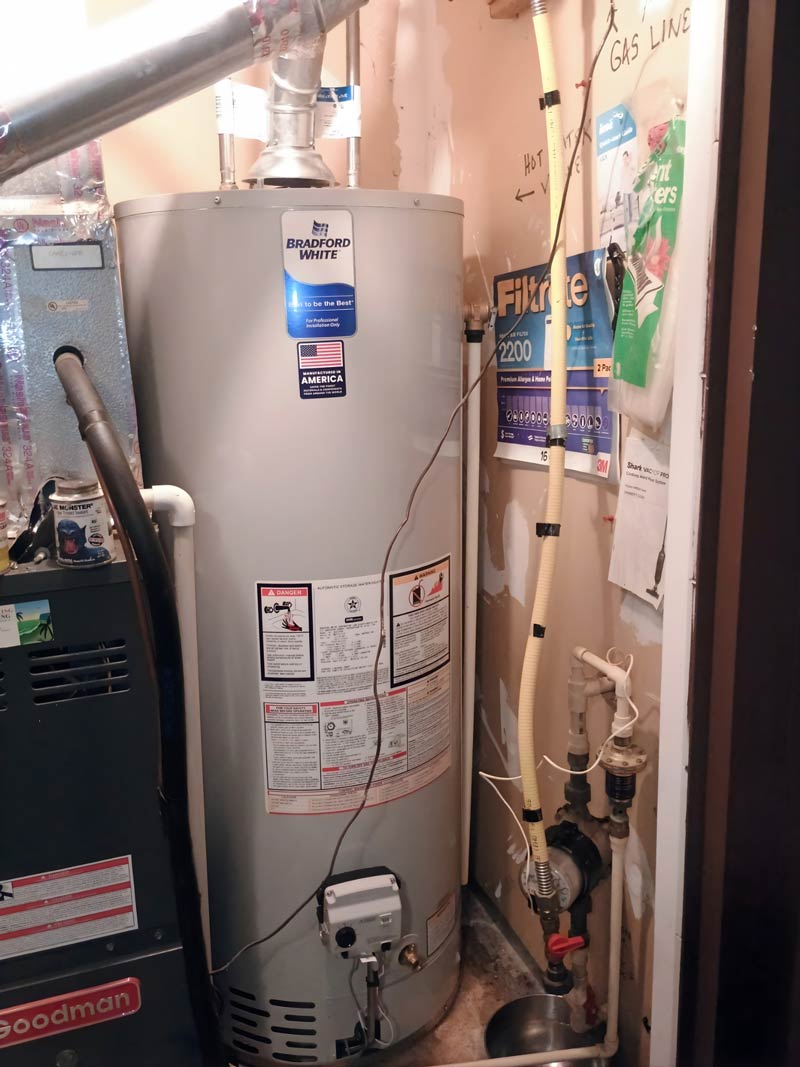
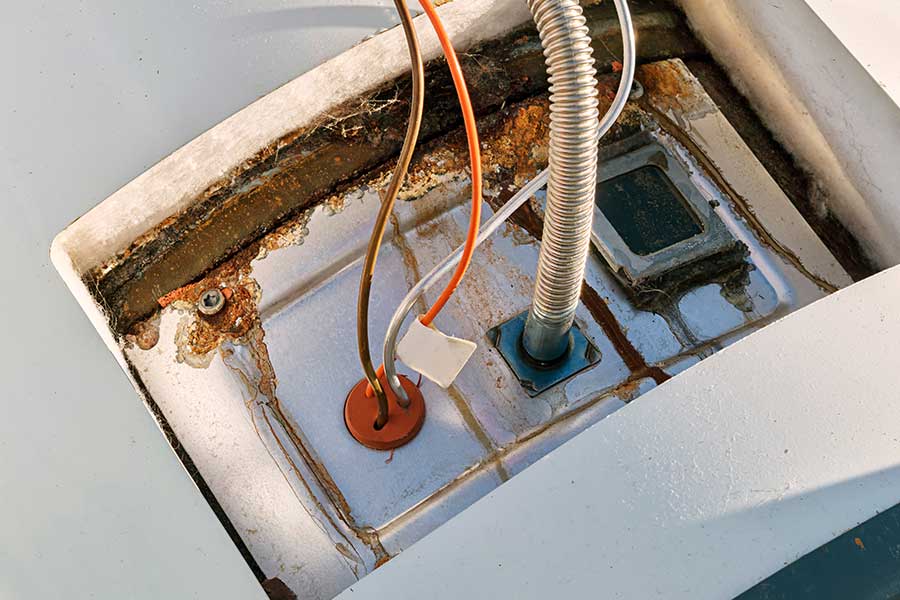
Our Columbus service covers the full spectrum of water heater repair, from quick thermostat swaps to complex tankless descaling. We serve all Columbus zip codes and surrounding neighborhoods. Common services include:
Most Columbus service calls are completed same-day, and we carry the most commonly needed parts on every truck.
German Village is one of Columbus’s most distinctive neighborhoods, known for its 19th-century brick row houses and tight utility spaces. We received a call from Derek, who lives on Reinhard Avenue and had noticed his kitchen hot water was lukewarm even after running the tap for several minutes. His water heater, a gas tank unit, was installed in a narrow basement alcove barely wide enough to work in. Our technician found a failed thermocouple that was preventing the burner from staying lit reliably, combined with a partially clogged gas orifice. Both components were replaced on the spot. Derek had consistent hot water by early afternoon, and our tech noted the unit otherwise had several good years left in it.

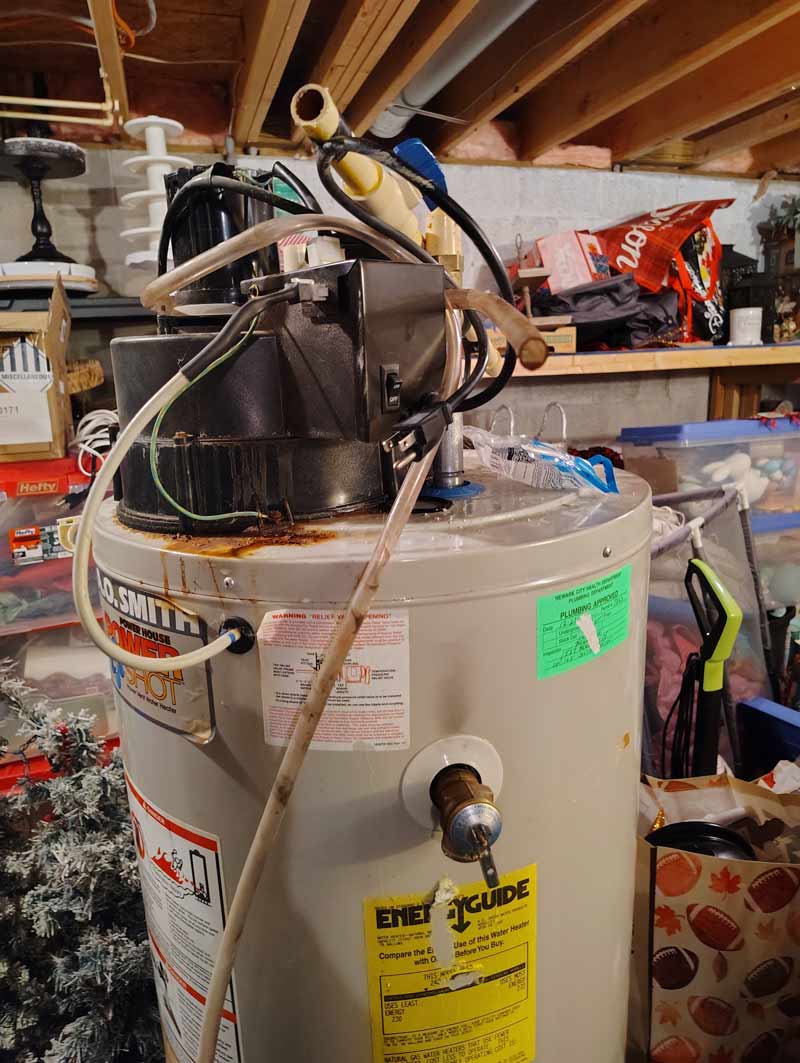
Columbus is a big city with a lot of service providers, and we know you have options. What sets us apart is straightforward: we show up when we say we will, we diagnose before we quote, and we do not recommend work that is not needed. Our technicians are Ohio-licensed and trained across all system types, which matters in a city where the housing stock ranges from 120-year-old brick to brand-new smart-home builds. We serve all Columbus neighborhoods from the Short North to the Far East Side, with same-day availability most days of the week.
Age and repair cost are the two biggest factors. Units under 10 years old that need a single component replaced are almost always worth repairing. Our technician will give you an honest assessment of the unit’s remaining lifespan before recommending anything.
In Columbus winters, incoming water from the city supply line is much colder than in summer, which means your heater has to work harder to reach the set temperature. If recovery time has gotten noticeably worse, it may also indicate sediment buildup or a failing heating element.
Yes. Columbus-area water carries enough mineral content to gradually build up sediment inside tank-style heaters. Over time this reduces efficiency, creates noise, and can shorten the unit’s lifespan. Annual flushing helps prevent buildup from becoming a serious problem.
Yes. We work with both homeowners and landlords across Columbus. If you manage rental properties, we can coordinate scheduling directly with tenants and provide documentation for your records.
Turn off the cold water supply valve at the top of the unit and, for gas heaters, set the thermostat to pilot mode. Then call us immediately. A leak can indicate a failing pressure relief valve, a corroded fitting, or in serious cases, a tank that is beginning to fail from the inside.